


Introduction: Maximizing Safety for Your $30k+ Asset
Operating a DJI Matrice 400 RTK involves more than just flight skill; it's about protecting a massive investment. When your drone carries expensive LiDAR sensors or high-res thermal cameras, a failure isn't just a mission delay—it's a financial catastrophe.
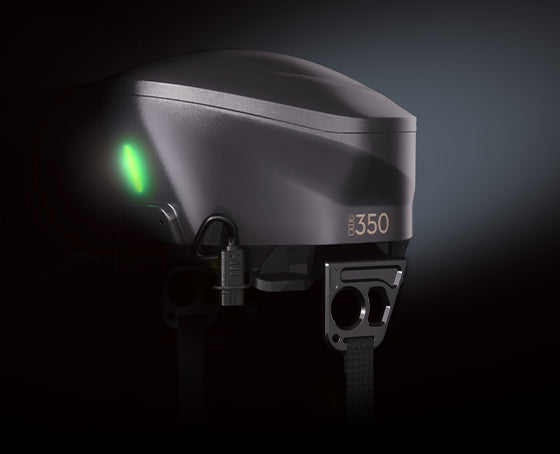
While the AVSS M400 has been a known name, the FLYFIRE OWL-M400 has redefined the standard for M400 emergency recovery systems. This guide breaks down why the FLYFIRE system is the undisputed leader in performance, response, and real-world reliability.
1. Precision in the Blink of an Eye: The APS 3.0 Advantage
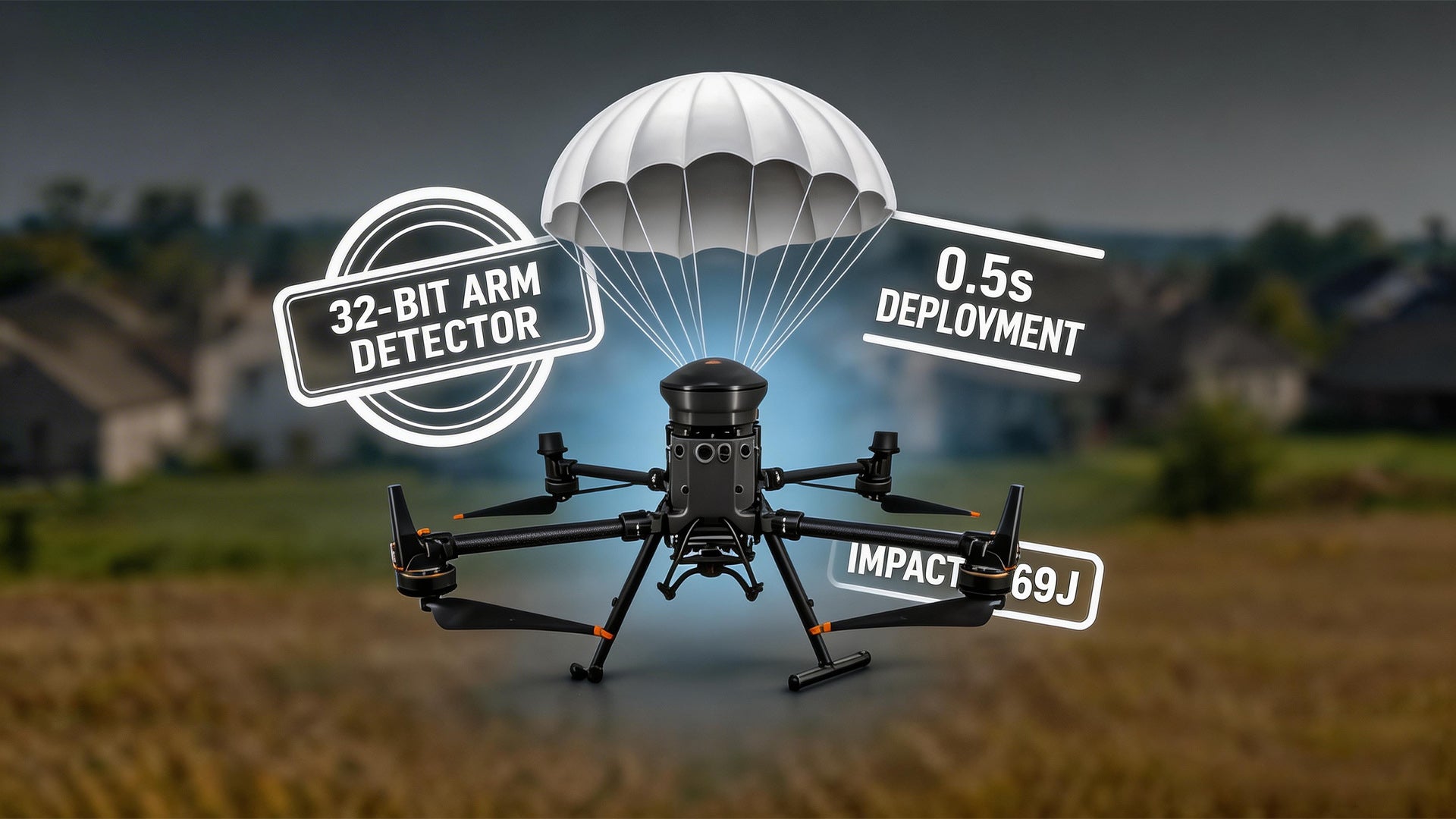
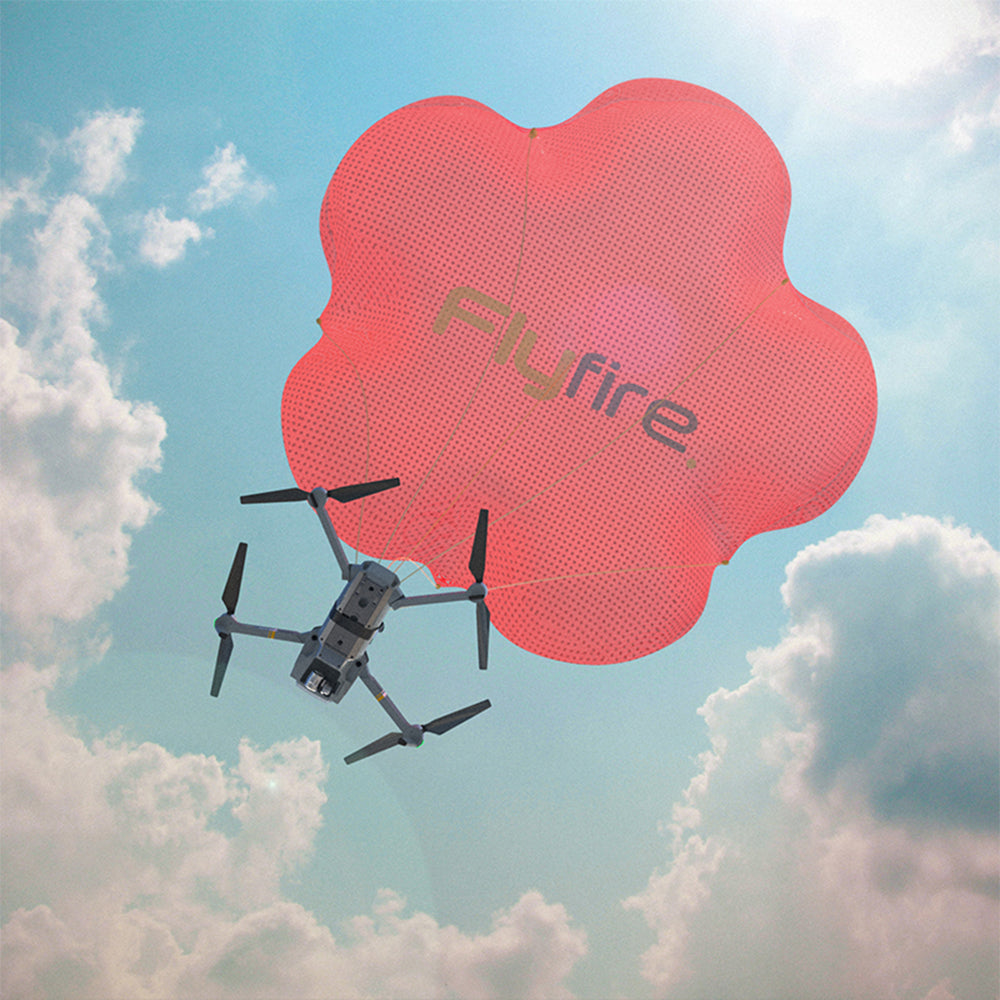
In a critical failure, "Decision Intelligence" beats raw speed. The FLYFIRE OWL-M400, powered by the APS 3.0 Algorithm, executes its safety sequence in 500ms - 700ms.
-
FLYFIRE OWL-M400: With native DJI PSDK integration, it triggers an instant "Motor Force-Stop" command. By killing the power before deployment, it eliminates Propeller Entanglement—the #1 cause of parachute failure for heavy-lift drones.
-
Competitors (AVSS & others): Many "bolt-on" systems lack this UAV-Parachute Interaction. Ejecting a canopy while propellers are still spinning risks shredding the lines, leading to a secondary catastrophic impact.
-
The Verdict: Don't just buy an ejection device; invest in a Smart Failsafe System. The OWL-M400 is the only Asset Protection strategy that guarantees a clean, reliable deployment.
2. Precision Engineering: Purpose-Built vs. One-Size-Fits-All
The most significant flaw of the AVSS M400 is its "universal" DNA. It is essentially a modified version of a standard kit.
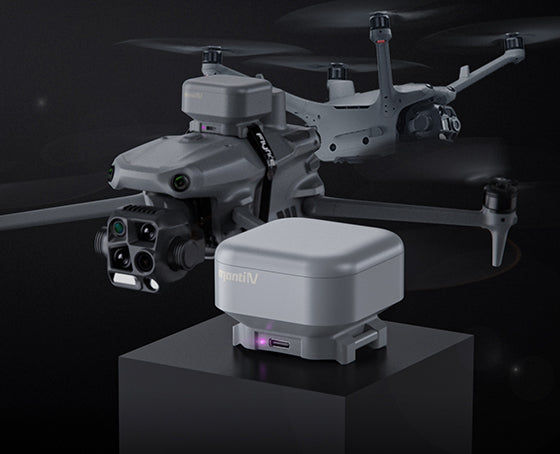
- FLYFIRE OWL-M400 (The Specialist): Specifically engineered for the DJI M400 RTK. Every bracket and bolt is designed to align with the M400's center of gravity (CoG). This ensures zero interference with the drone's sophisticated omnidirectional obstacle avoidance sensors.
- AVSS M400 (The Generalist): Uses adapted hardware that adds unnecessary bulk and can slightly shift the aircraft's balance, potentially stressing motors during high-wind maneuvers.
The Verdict: A dedicated M400 parachute design means better flight stability and zero "sensor shadowing."
3. Extreme Environment Mastery (IP45 vs IP43)
The Matrice 400 is built for "All-Weather" missions. Your safety system should be, too.
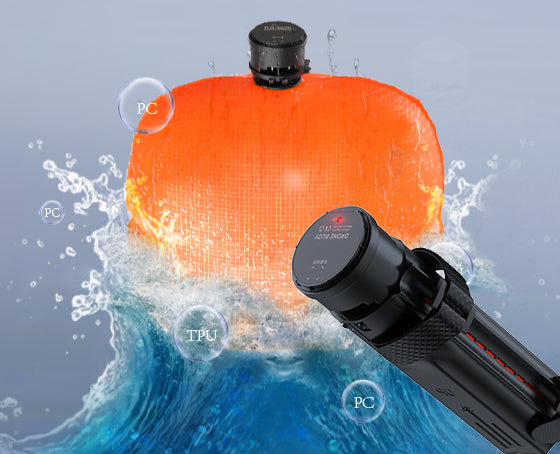
- FLYFIRE OWL-M400: Features a rugged IP45 rating and is tested from -20°C to 50°C. Whether you're conducting high-altitude mapping in the Alps or power line inspections in the desert, the OWL-M400 remains operational.
- AVSS M400: Only offers IP43 protection and a narrower temperature range (-10°C start). In heavy rain or freezing conditions, the AVSS system is statistically more likely to face mechanical lag.
The Verdict: For industrial drone safety, FLYFIRE's superior sealing and temperature tolerance are non-negotiable.
4. Smart Logic: Eliminating False Deployments
There is nothing worse than a parachute deploying during an aggressive (but intentional) flight maneuver.
- FLYFIRE's Intelligent Triggering: Uses a proprietary algorithm that analyzes M400-specific telemetry. It can distinguish between a "gust of wind" and a "motor failure" with 99.9% accuracy.
- AVSS Triggering: Relies on more traditional IMU thresholds, which can occasionally be "tricked" by high-speed descents or sudden stops.
5. Efficiency & ROI: Saving $600+ Without Compromise
Professional gear shouldn't have a "brand tax."
- FLYFIRE OWL-M400: $3,900 USD. It includes everything needed for a plug-and-play installation.
- AVSS M400: Often starts at $4,500+, with additional costs for specific mounting adapters.
The Verdict: You get a faster, lighter, and more durable system for significantly less. For fleet managers, saving $600 per unit while increasing safety is a no-brainer.
✳️ (DJI M400 parachute deployment video demonstration)
Comparison Table: FLYFIRE OWL-M400 vs AVSS M400
| Feature | FLYFIRE OWL-M400 (Winner) | AVSS M400 |
|---|---|---|
| Response Speed | 500-600ms | 500ms+ |
| Design Logic | Dedicated M400 Engineering | Universal Adaptation |
| Environmental Protection | IP45 (Heavy Rain/Dust) | IP43 (Light Spray) |
| Operational Temp | -20°C to 50°C | -10°C to 45°C |
| Weight Efficiency | Optimized for M400 CoG | Heavier Universal Brackets |
| MSRP | $3,900 USD | $4,500+ USD |
Frequently Asked Questions (FAQs)
Q: Does the FLYFIRE parachute affect the M400's flight time?
A: Due to its lightweight carbon-fiber housing and optimized aerodynamics, the impact on battery life is negligible (less than 1-2 minutes depending on payload).
Q: Is the installation permanent?
A: No. The OWL-M400 uses a quick-release mounting system. You can install or remove it in under 5 minutes for transport or maintenance.
Q: Can I manually trigger the FLYFIRE parachute?
A: Absolutely. While the automatic emergency deployment is the primary safety feature, it includes a long-range manual override remote for total pilot control.
Conclusion: The Best Parachute for DJI M400 in 2026
If you prioritize your drone's health and your company's liability, the FLYFIRE OWL-M400 is the clear choice over the AVSS system. It is faster, tougher, and specifically built for the M400 platform.
Don't wait for a motor failure to prove us right.
Next Step for Your Fleet:
Would you like a customized bulk-pricing quote for your M400 fleet, or do you need to see the M400-specific installation video? Contact our technical team today!