


1. ASTM F3322-18: A Performance Benchmark, Not a "Diploma"
ASTM F3322-18 is the global gold standard for drone parachute recovery systems. It defines rigorous requirements for deployment reliability, descent rate, and shock load — and it's the first standard any serious UAV parachute manufacturer must meet.
The Industry Myth: Many believe there is a central "ASTM Office" that issues certificates. In reality, compliance typically falls into three categories:
- Self-Declaration: The manufacturer follows the strict ASTM testing protocols internally and publishes the data (the ultimate test of engineering integrity).
- Third-Party Tested: An independent lab verifies the manufacturer's data.
- Civil Aviation Approval: National aviation bodies (like the FAA) recognize these tests during specific operational applications.
The Flyfire Logic: We don't just "chase stamps." Our R&D is strictly mapped to the 45-consecutive-successful-deployment criteria defined by ASTM F3322-18. We provide comprehensive internal testing whitepapers to support your regulatory filings.
2. Debunking the "FAA Approved" Myth
A common question we receive is: "Is this parachute FAA approved?" The short answer: No. The FAA does not approve hardware—they approve the "Operation."
If you want to fly over people (Category 2 or 3) or conduct Beyond Visual Line of Sight (BVLOS) operations, the FAA evaluates your entire drone safety system ecosystem. A UAV parachute is a critical "Mitigant." To win your Part 107 waiver, the FAA isn't looking for a seal; they are looking for:
- Documented Reliability: Success rates over hundreds of real-world deployments.
- Kinetic Energy Calculations: Proving the impact energy is below the 69-joule safety threshold.
- MTOW Compatibility: Evidence that the drone parachute recovery system matches your drone's Maximum Takeoff Weight (MTOW).
3. EASA and the SORA Framework
For UAV operators in Europe, a parachute is often the only way to reduce your Ground Risk Class (GRC) under the SORA (Specific Operations Risk Assessment) framework.
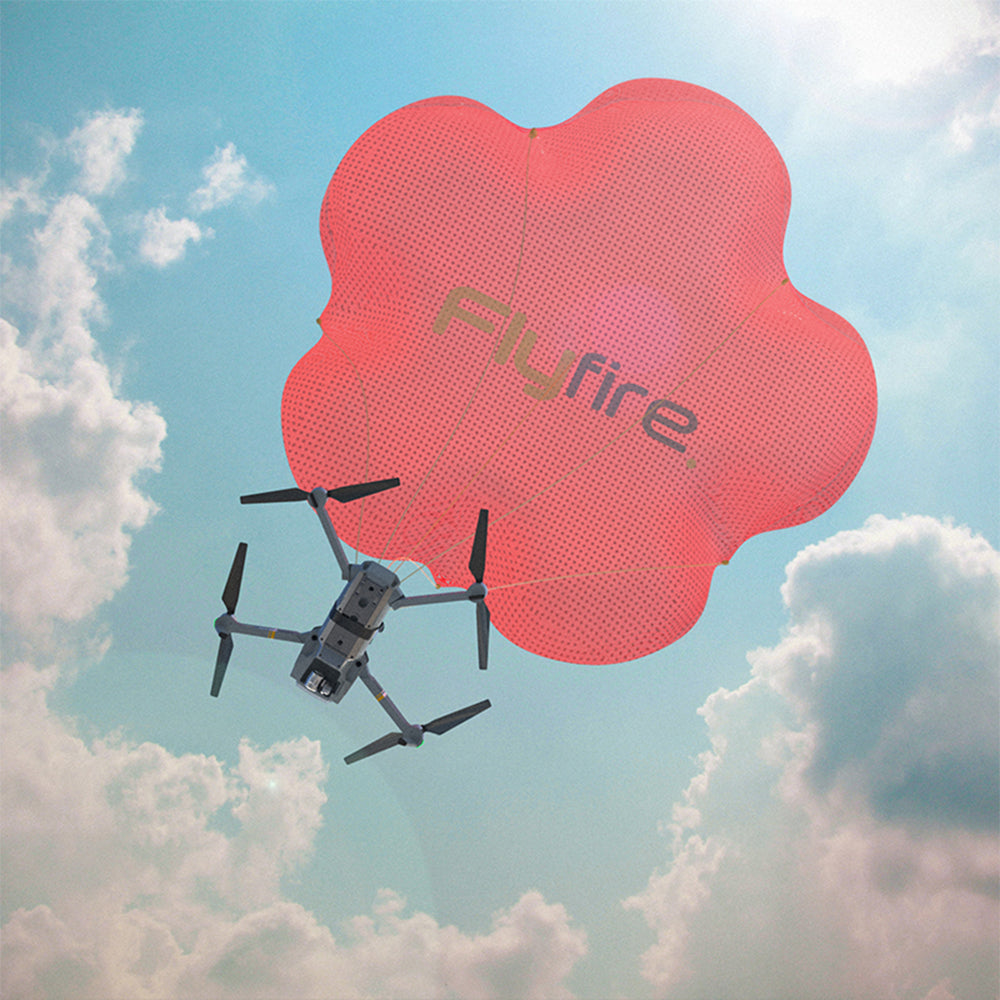
The goal isn't just "having" a UAV parachute—it's proving the drone safety system reduces the drone's Terminal Velocity enough to classify the operation as "Low Risk." Flyfire's OWL series is engineered specifically to keep impact energy within these regulatory boundaries through precision canopy design.
4. 5 Critical Specs to Look For (Beyond the Labels)
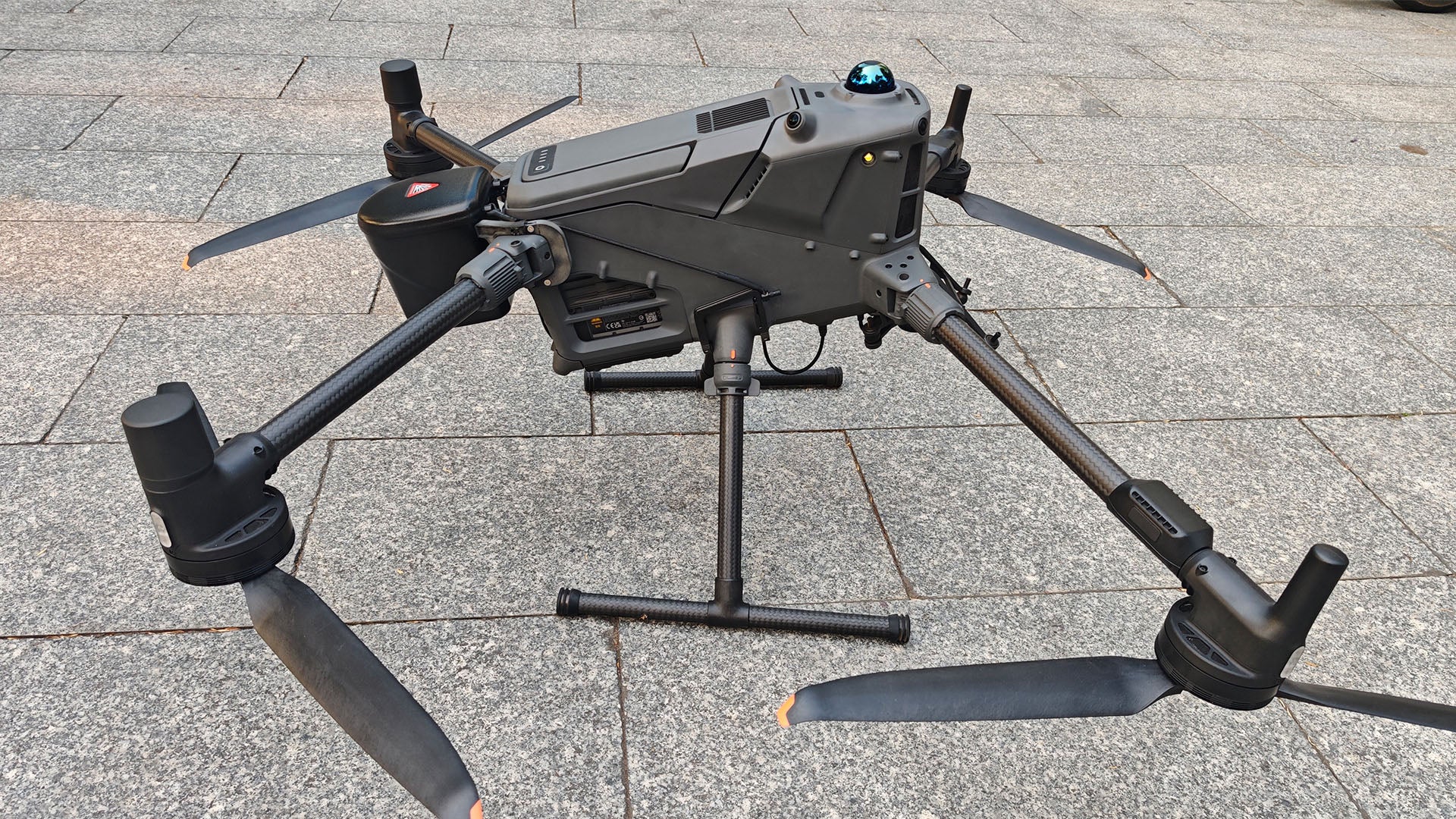
If you are protecting an investment like a DJI Matrice 350 RTK or Mavic 3 Enterprise, evaluate these five technical pillars when choosing a drone parachute recovery system:
① Deployment Speed (The "Safe Altitude" Factor)
If your drone fails at 30 meters, a UAV parachute that takes 2 seconds to open is just a "cosmetic accessory."
- The Flyfire Advantage: Our 32-bit ARM processor detects anomalies instantly, achieving deployment in just 0.5 seconds, significantly lowering the minimum safe deployment altitude.
② Kinetic Energy (The 69-Joule Rule)
Drone safety system standards focus on kinetic energy at impact:
Where $v$ is the descent velocity. If a vendor cannot provide an accurate Descent Rate (m/s), they aren't selling professional drone safety gear.
③ MTOW Matching
A UAV parachute for a Mavic 3 will fail on a Matrice 30. Flyfire offers specialized drone parachute recovery solutions:
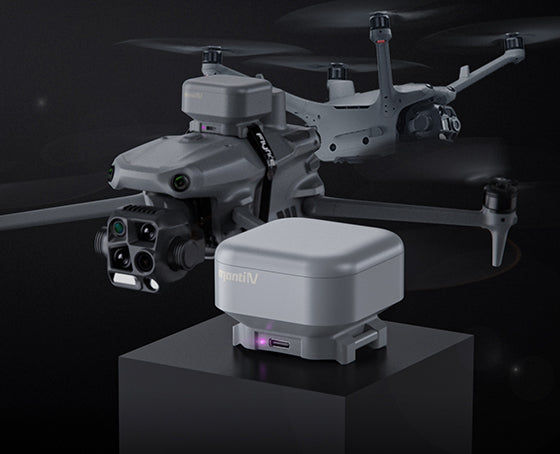
- Manti 3 Plus: Optimized for DJI Mavic and Phantom series.
- OWL M30: Specifically for the DJI M30 / 30T series.
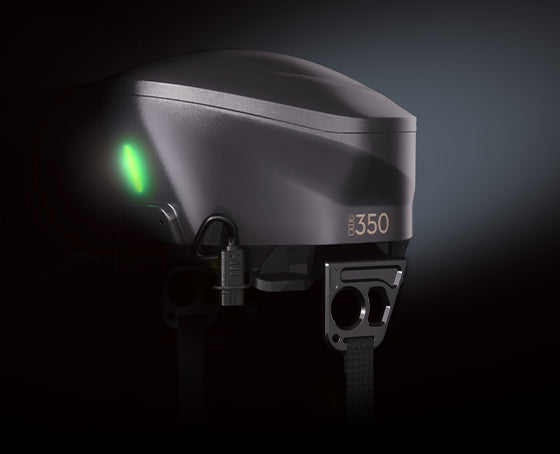
- OWL M350 / M400: Built for heavy-lift DJI Matrice 350/400 RTK.
④ Field Resettability
Time is money. If a drone parachute recovery system requires factory servicing after a test or a minor incident, your BVLOS operations stall.
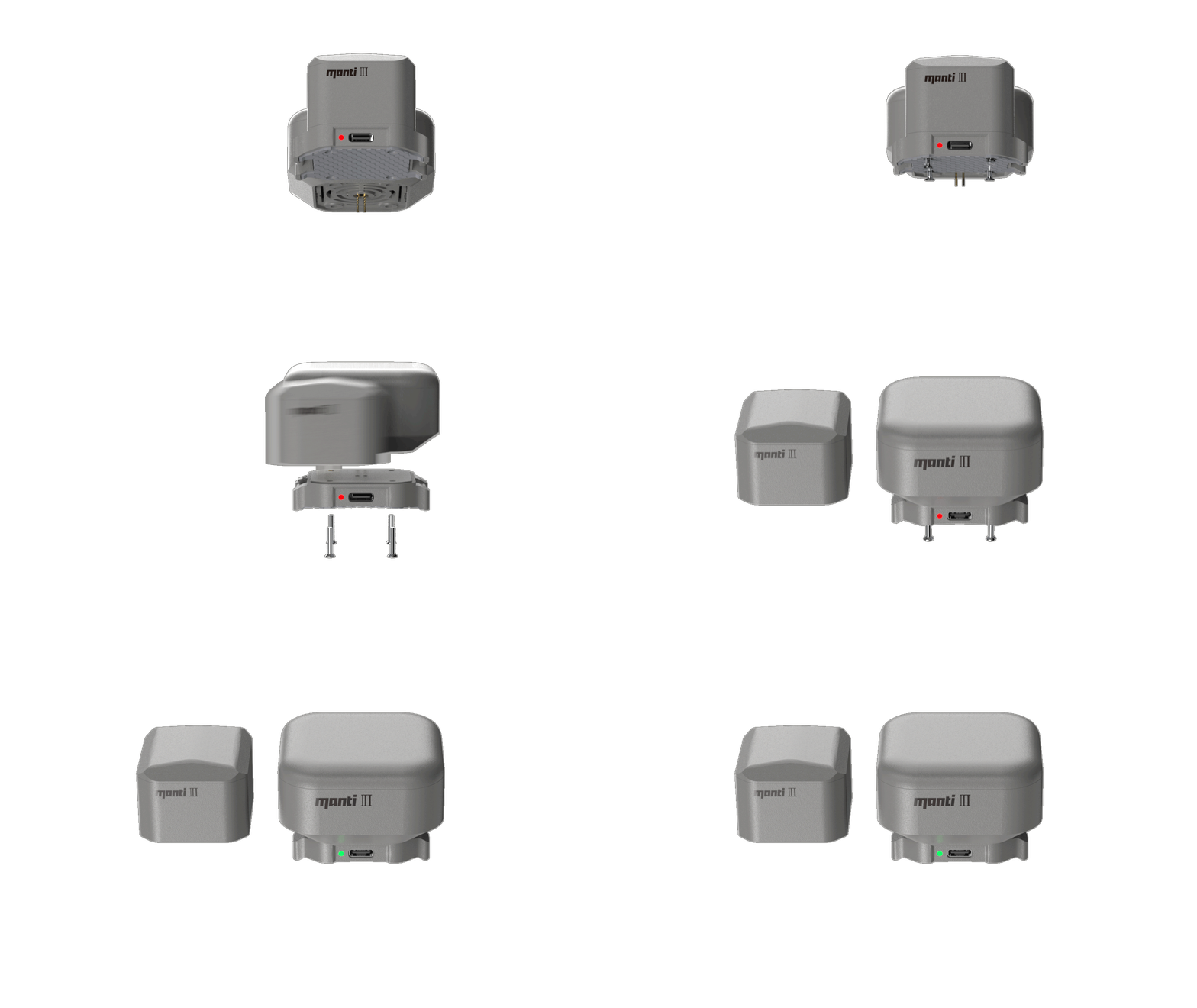
- The Flyfire Solution: Our replaceable capsule design allows you to reset the system in the field in minutes, keeping your team on-site and operational.
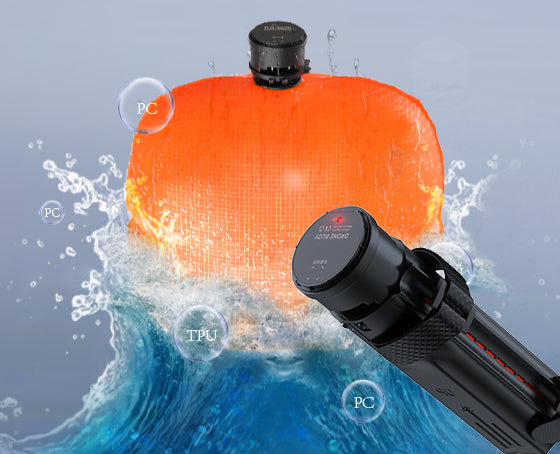
⑤ IP Rating (Weather Resistance)
Professional UAV missions don't stop for light rain. The Flyfire OWL series features an IP45 rating, ensuring your drone safety system doesn't short-circuit when you need it most.
The Bottom Line: Physics Beats Marketing
Certifications are a great starting point, but they are not a substitute for engineering excellence. When a motor clips a bird or a battery fails mid-BVLOS operation, you don't need a certificate—you need sub-second deployment and a controlled descent.
Flyfire: Built on data. Engineered for drone safety. Proven in the field.