


In today's rapidly developing drone aviation field, fire departments, police departments, and other government sectors are increasingly utilizing drone technology to perform critical tasks, covering areas such as infrastructure inspection, environmental monitoring, public safety, and emergency response. However, deploying drones at the city, state, or federal levels carries significant responsibility.
When government agencies issue Requests for Procurement (RFPs) or tenders for Drone Parachute systems, safety compliance is a mandatory prerequisite, requiring a thorough understanding of the standards set by local regulatory agencies and procurement officials.
Core Challenges of Government Drone Procurement

Procurement officials typically face three main challenges when integrating commercial drones into public airspace:
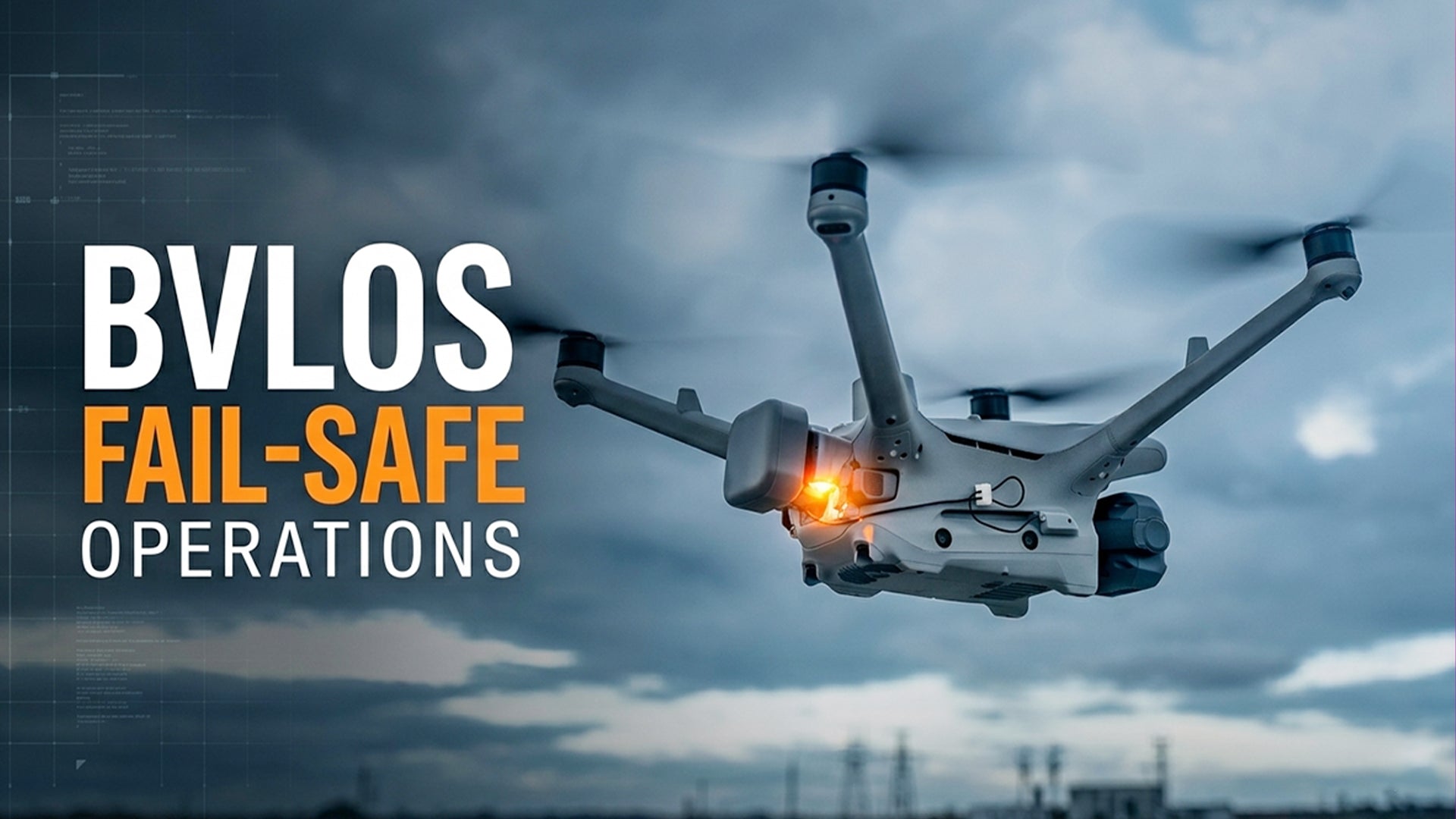
1. Stringent Regulatory Barriers: Government projects often involve beyond-visual-range (BVLOS) flights or operations over densely populated areas. Obtaining standard exemptions requires proof of redundant safety mechanisms.
2. Liability and Asset Protection: Drone malfunctions in public areas can lead to catastrophic property damage, legal liability, and severe political backlash.
3. Complex Compliance Checklist: Tender documents often require specific hardware certifications (e.g., EASA, FAA, ASTM F3322, and Transport Canada or local civil aviation standards), which standard off-the-shelf drones typically lack.
Solution: Certified Autonomous Drone Safety System
To meet all government tender requirements, your drone fleet must be equipped with an autonomous, industrial-grade drone safety system. A compliant parachute safety system must serve as the ultimate safety measure, completely independent of the drone's primary flight controller.
Enterprise-grade safety solutions protect mission safety through a multi-layered defense architecture:
1. Intelligent Flight Monitoring: Continuously analyzes drone telemetry data (pitch, roll, altitude, speed) to detect anomalies in real time.
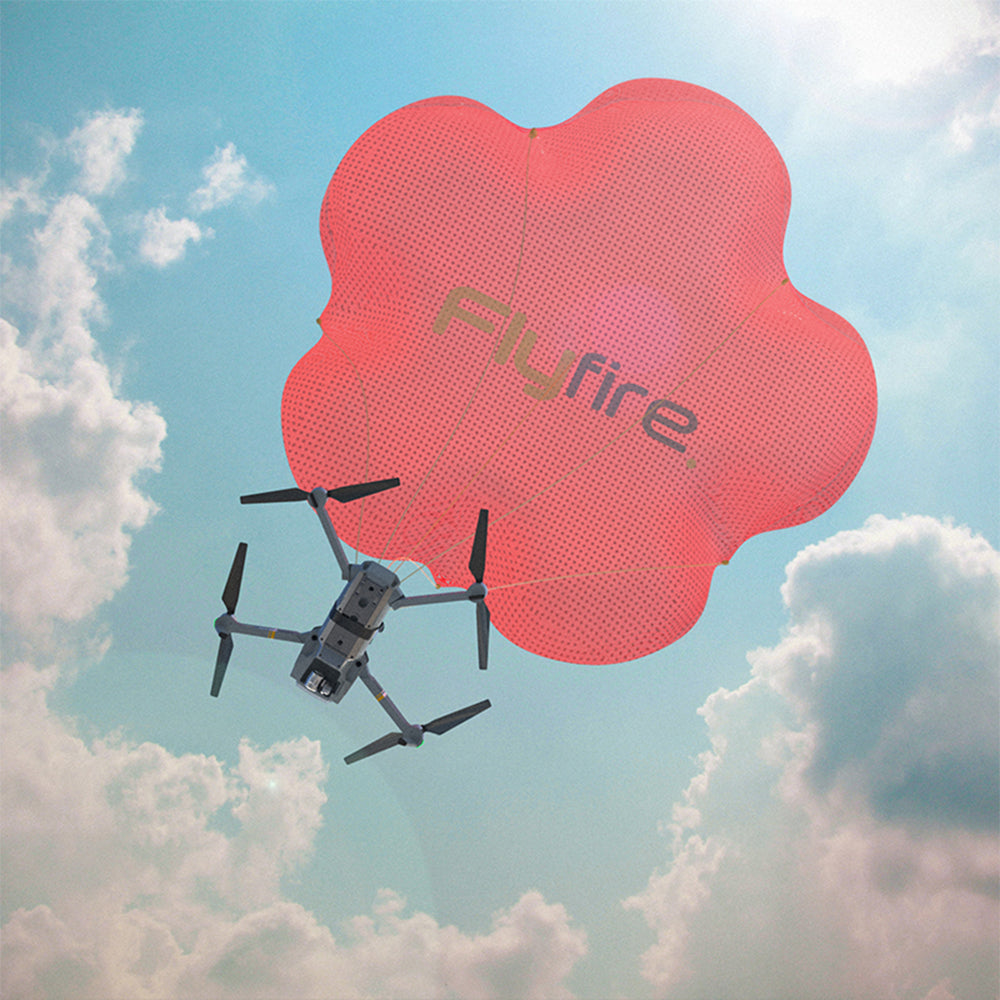
2. Autonomous Trigger: In the event of a serious malfunction (e.g., power outage, motor failure), the system deploys a ballistic parachute within milliseconds during the drone's stall descent, without pilot intervention.
3. Energy Reduction: Safely slows the drone's descent, ensuring that even in the event of a collision, the kinetic energy remains well below the stringent thresholds for flying over crowds set by aviation authorities.
Technical and Compliance Standards: Practical Requirements for Drone Safety Systems
Government tenders prioritize verifiable standards. When drafting or responding to tender documents, ensure your safety system meets these crucial standards:
1. Independent Power Supply: The safety system and parachute deployment mechanism must be powered by a dedicated backup battery, ensuring continued functionality even in the event of a complete power outage.
2. Compliance with ASTM F3322-18 or equivalent: This standard guarantees that the parachute system has undergone dozens of successful deployment tests under various failure scenarios and has been rigorously tested.
3. Audio Alarm System: Tender documents typically require integrated sirens or buzzers to alert ground personnel during emergency descents.
Why Flyfire is a Reliable Choice for Government Tenders
When public safety is at stake, Flyfire has become the preferred partner for government-level drone safety compliance.
Seamless Integration: Flyfire hardware is designed for seamless integration with mainstream commercial platforms, providing plug-and-play compliance without impacting aircraft aerodynamics or payload capacity.
DJI Official Ecosystem Partner: Flyfire is a DJI ecosystem partner in China, working closely with DJI across design, testing, and more. We provide the most stable and compatible drone parachute safety systems.
Safety Certification Documentation: We provide comprehensive drone test data, certifications, and technical specifications, such as ASTM F3322 documentation and Transport Canada certification. The following drone parachute models meet legal and regulatory requirements:
Certified Models for Government Compliance
Matrice 4

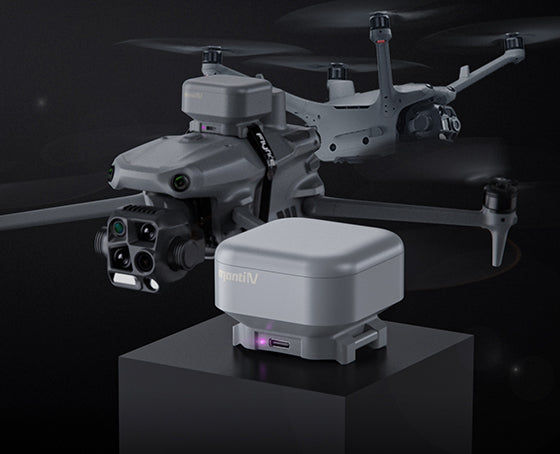
Manti 4 – DJI Matrice 4 Drone Parachute
Matrice 4 Dock

Manti 4 – DJI Matrice 4 Dock 3 Drone Parachute
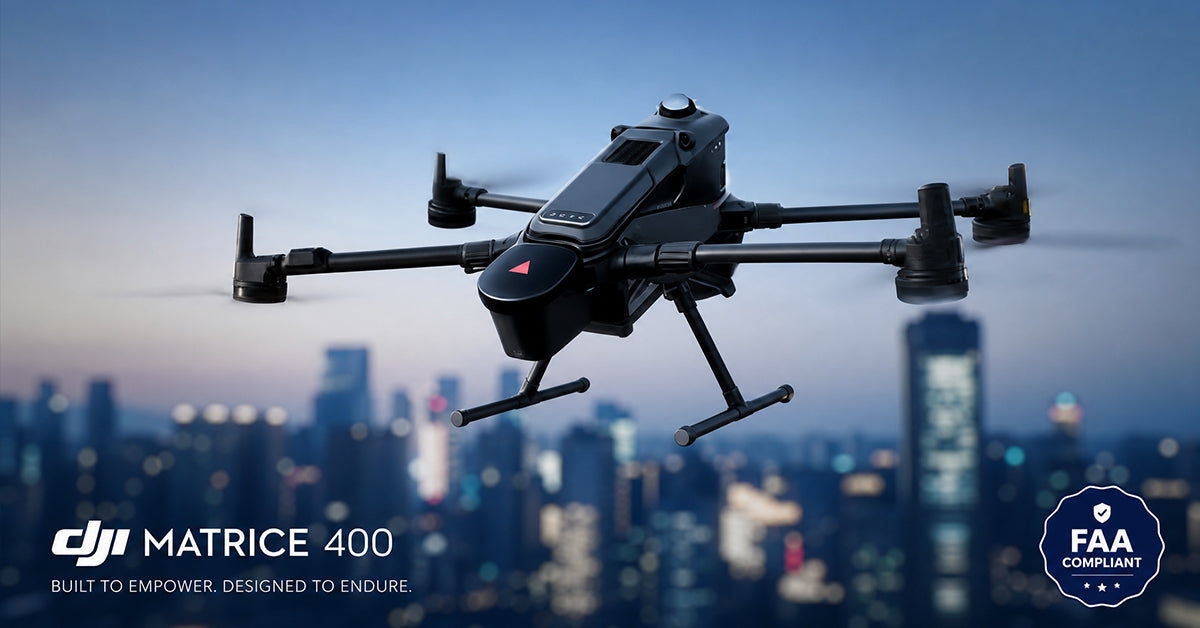
Matrice 400

Owl – DJI Matrice 400 RTK Drone Parachute
Matrice 350

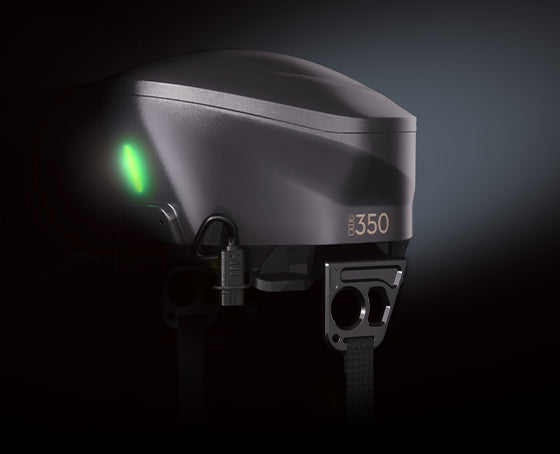
Owl – DJI Matrice 350 RTK Drone Parachute
Matrice 30

Owl – DJI Matrice 30 Drone Parachute
Below is a drone parachute system certified by Transport Canada (TC):

Don't let stringent safety requirements prevent your team from winning high-value public sector contracts. Equip your fleet with industry-standard, leading solutions. Contact us and request a Tender-Ready Spec Sheet from Flyfire.