


When a Drone Falls, It’s Not Just Physics — It’s Liability
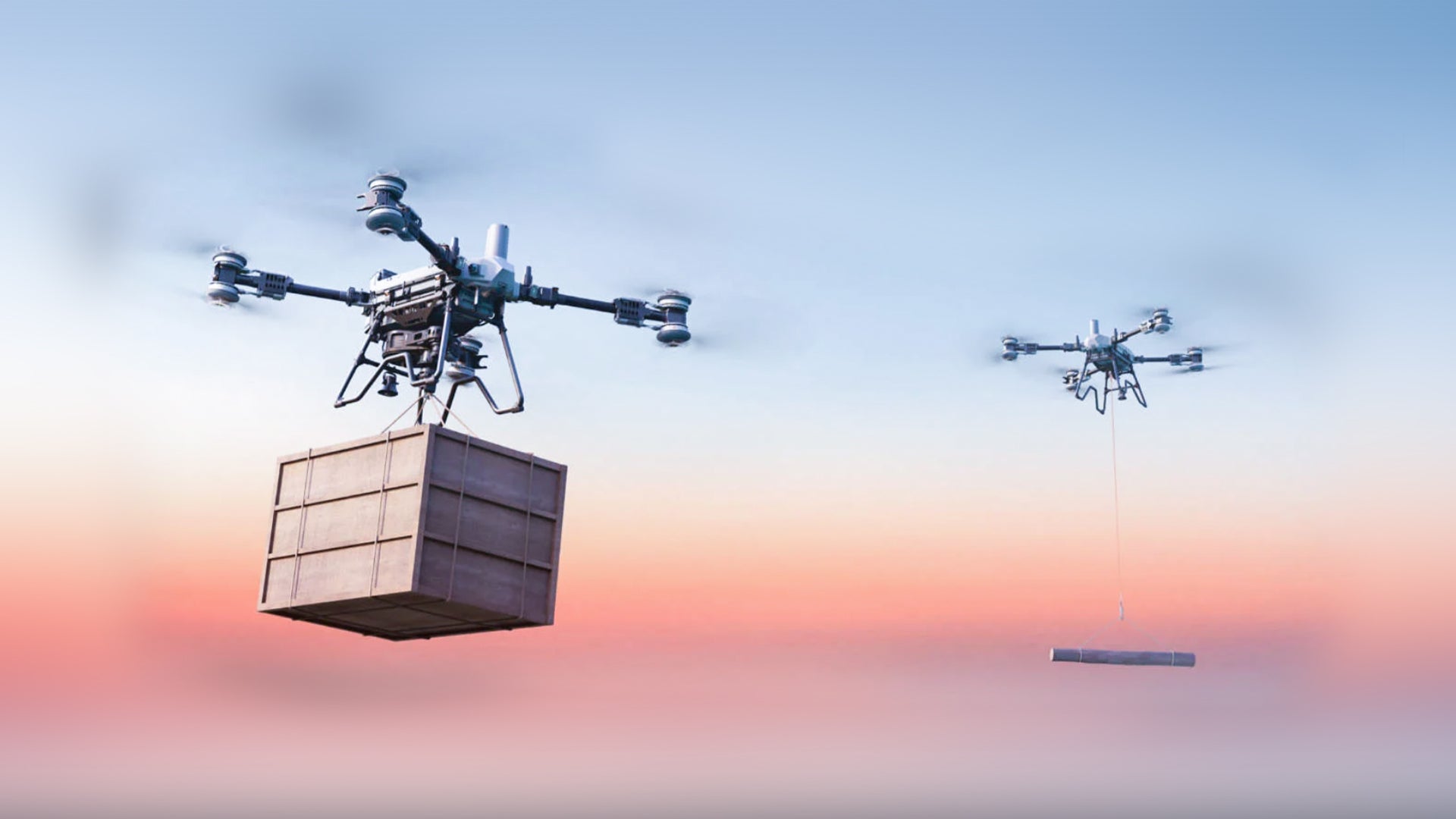
On August 3, 2021, during a high-altitude operation over Manchester, a DJI Matrice 300 RTK suffered a critical failure mid-air. A motor arm folded. The aircraft lost stability and entered an uncontrolled descent.
It hit the ground with full force.
The platform was destroyed instantly.
But here’s the real question every operator should ask:
What if it hadn’t landed on empty ground?
In enterprise drone operations, a crash is not just a technical failure. It’s a chain reaction:
- Injury risk
- Legal liability
- Insurance exposure
- Operational shutdown
At that moment, there is no time for reaction.
Only one thing matters:
Was your safety system designed for certainty — or just hope?

(Image for reference only.)
The Real Risk: Not Crashing — But Crashing Uncontrolled
Every drone can fail.
Power loss. Structural issues. Software errors.
These are not edge cases — they are operational realities.
The difference between a manageable incident and a catastrophic event is not whether failure occurs.
It’s whether the system can control the outcome.
This is why global regulators have shifted focus from prevention to risk mitigation.

(Image for reference only.)
Organizations like
- Federal Aviation Administration
- European Union Aviation Safety Agency
are not asking:
“Can your drone avoid failure?”
They are asking:
“What happens when it doesn’t?”
Three Non-Negotiable Safety Thresholds in Modern Airspace
1. Deployment Certainty — Defined by ASTM International F3322-18

(Image for reference only.)
A parachute that works most of the time is not a safety system.
Under ASTM F3322-18 (Click to view standard details), a compliant parachute recovery system must:
- Successfully deploy 45 times across 9 real-world failure scenarios
- Achieve a 5-for-5 success rate in each condition
No entanglement. No partial deployment. No exceptions.
What this means for your operation:
If your system cannot meet this threshold,
you are relying on probability — not reliability.
2. Impact Energy Control — The FAA’s 69-Joule Reality

(Image for reference only.)
Under FAA Part 107 (Click to view standard details) Operations Over People:
- Category 2: ≤ 33 Joules
- Category 3: ≤ 69 Joules
This is not a guideline. It is a hard legal boundary.
The physics is simple:
K = (1/2)mv²
A 9 kg drone in free fall generates lethal energy.
To comply, a drone parachute system must reduce descent velocity to roughly:
→ 3.5–5 m/s
What this means for your operation:
Without verified energy reduction:
- You cannot legally fly over people
- You may not qualify for waivers
- Your missions are fundamentally limited
3. System-Level Safety — EASA SORA & M2 Mitigation
In Europe, the European Union Aviation Safety Agency SORA (Click to view standard details) framework defines operational risk.
To operate in urban environments, you must achieve M2 mitigation with medium robustness.
This requires more than a parachute.
It requires a complete safety loop:
Detect failure → Cut power → Deploy parachute
This is where Flight Termination Systems (FTS) become critical.
Without cutting motor power:
- Propellers continue spinning
- Parachutes can tangle
- Deployment can fail
What this means for your operation:
A non-integrated system is not compliant —
and more importantly, not dependable.
What Happens Without a Certified Parachute System?
| Scenario | Without PRS | With PRS |
|---|---|---|
| Failure outcome | Uncontrolled impact | Controlled descent |
| Impact energy | Potentially lethal | Reduced to compliant levels |
| Regulatory approval | Restricted / denied | Achievable |
| Insurance risk | High | Mitigated |
| Operational continuity | Uncertain | Sustainable |
Flyfire: Engineered for Failure — So You Can Operate with Confidence

At Flyfire, we don’t treat safety as an accessory.
We treat it as a system requirement.
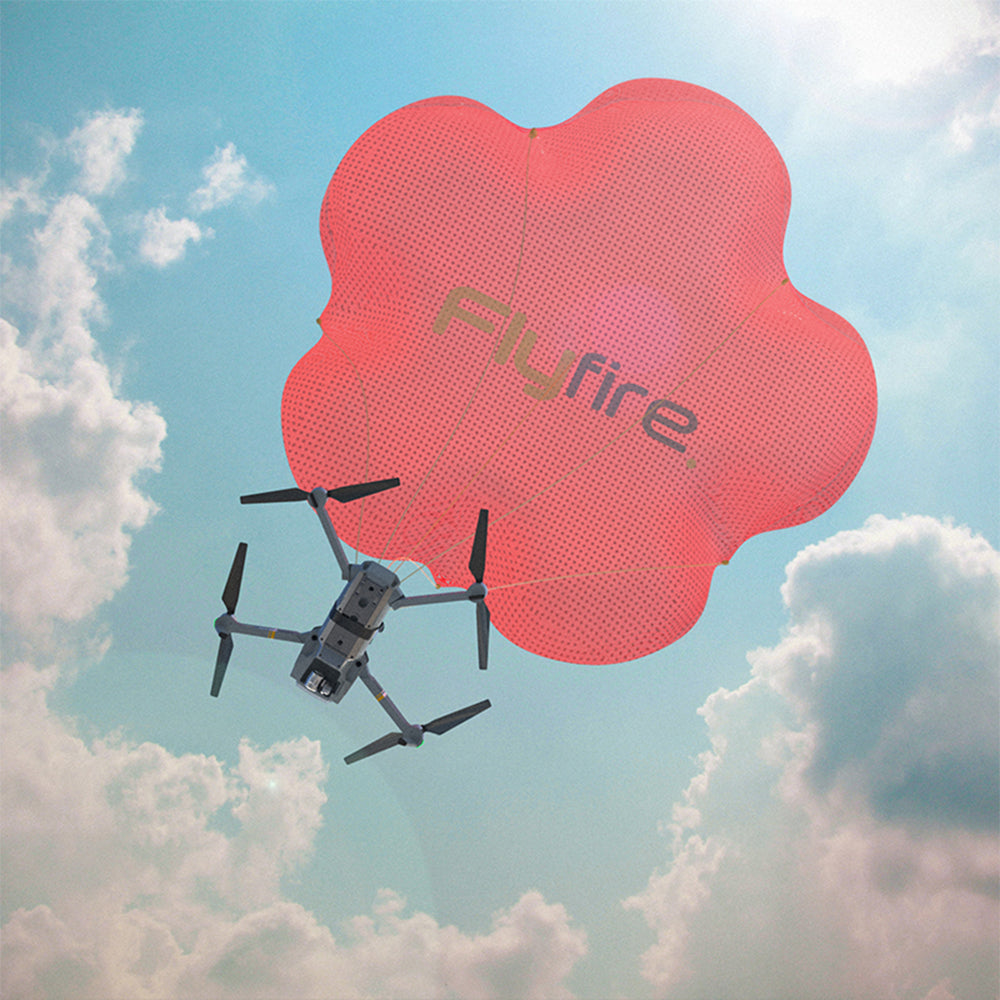
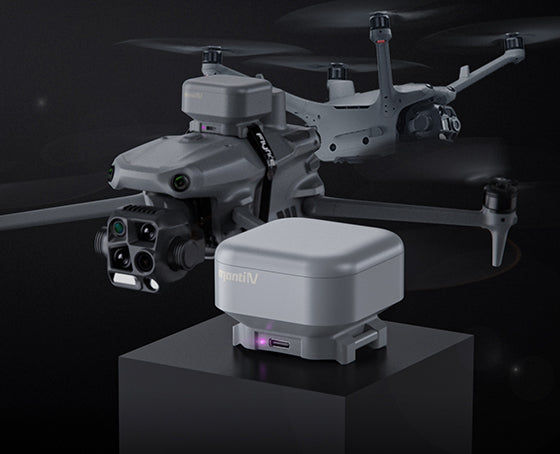
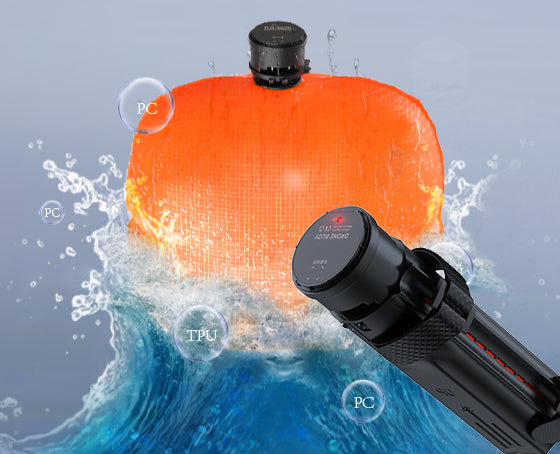
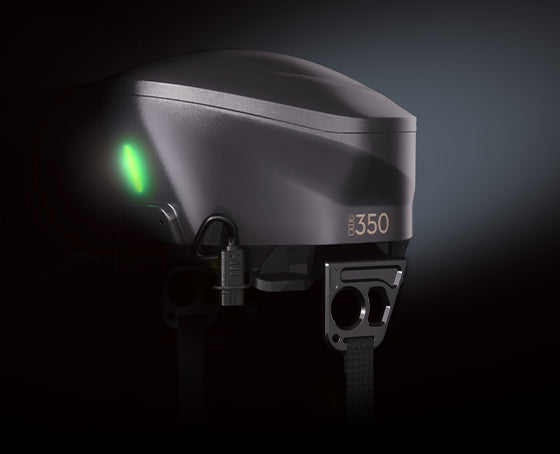
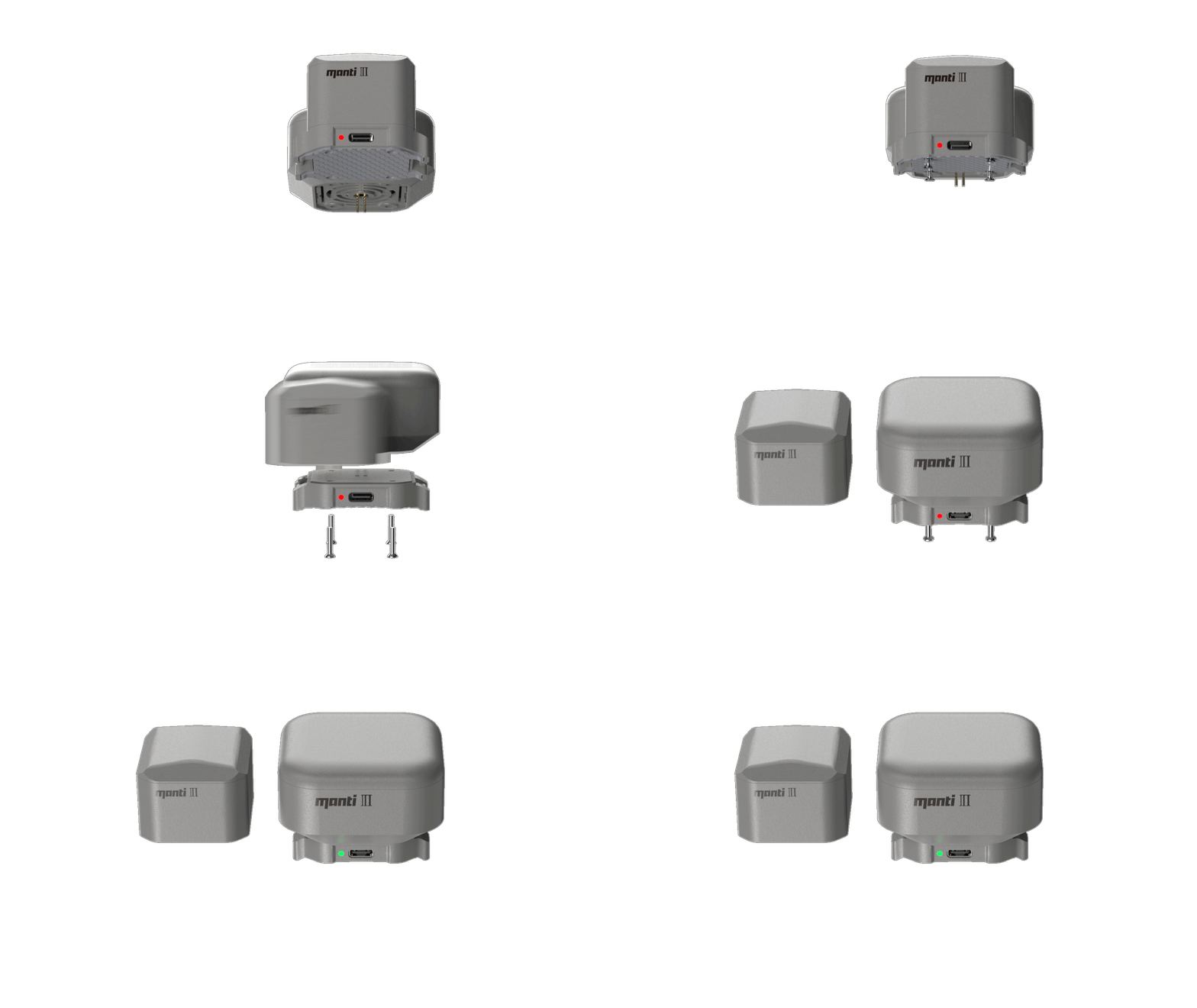
Our OWL and Manti series (View Product Details) are engineered around the same failure logic defined by global standards:
- Designed to align with ASTM F3322-18 deployment rigor
- Built to reduce kinetic energy to compliant thresholds
- Integrated with FTS for full safety-loop execution
This is not about adding a parachute.
It is about ensuring that when failure happens —
your operation remains controlled, compliant, and defensible.
The Real Decision Isn’t About Equipment

Every operator eventually faces the same question:
Are you preparing for success — or preparing for failure?
Because in modern airspace, the ability to manage failure is what defines:
- Whether you can scale
- Whether you can win contracts
- Whether you can operate long-term
Flyfire exists for operators who choose certainty.