
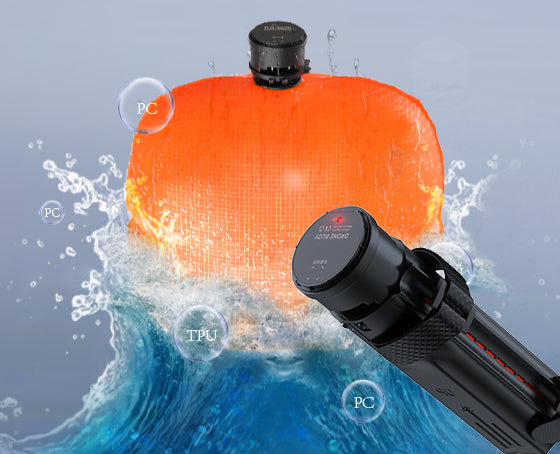
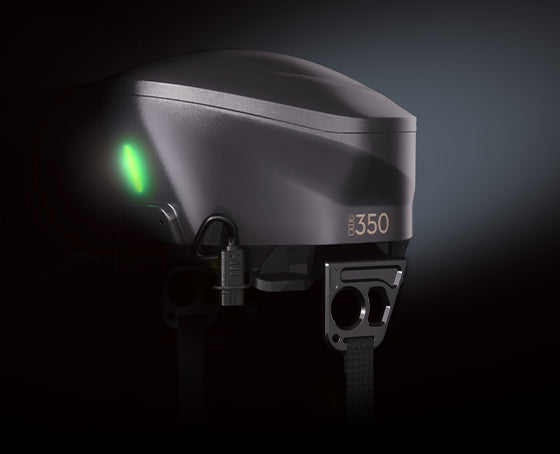
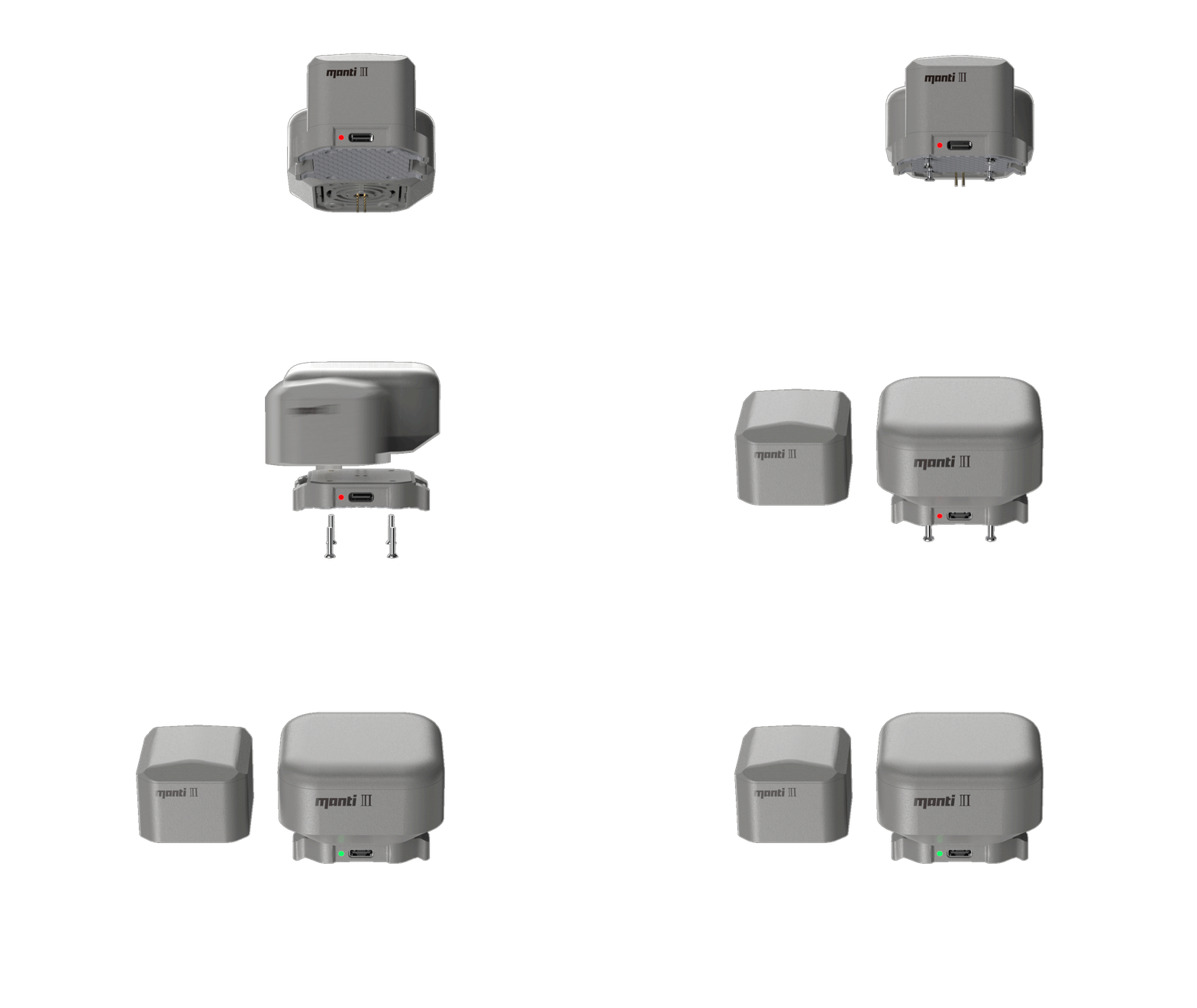


Use this four-step framework to identify which aircraft in your Matrice 4 fleet need parachute recovery coverage, how many systems to budget for, and which solution fits each variant before you finalize next year's plan.
If your Matrice 4 fleet has grown over the past year, with M4Es for mapping, M4Ts for thermal work, and perhaps an M4D or two operating from a DJI Dock 3, there's a good chance your safety equipment has not grown in lockstep. Year-end is when this usually surfaces: a fleet review reveals new aircraft that were added without checking whether parachute recovery systems kept pace.
The right number of parachute recovery systems depends on what your fleet actually looks like and what each aircraft needs. Here's a practical way to work through that before you finalize next year's budget.
Quick planning formula: Total parachute recovery systems to budget for = aircraft needing coverage + reserve units + systems for planned fleet growth.
Step 1: Inventory Your Fleet by Variant
The Matrice 4 line covers four aircraft. For parachute recovery planning, they fall into two groups:
- M4E and M4T: Standalone or mixed-fleet aircraft, typically hand-flown or managed without a dedicated automated dock.
- M4D and M4TD: Dock-integrated variants built for automated deployment from a DJI Dock 3.
Which group an aircraft falls into determines which parachute recovery system fits. A standalone-oriented system and a dock-integrated system are engineered around different power architectures and mounting interfaces, so the first step in any audit is a headcount by variant, not a single fleet-wide total.
Step 2: Decide Which Aircraft Need Coverage
Not every aircraft carries the same risk profile. Before pricing anything out, sort your fleet into three rough buckets:
- Needs coverage now. Aircraft flying BVLOS missions, operating over people or populated areas, or supporting a Part 107 waiver, a Part 108 operation where applicable, or an EASA STS/SORA-based risk assessment where documented risk mitigation is part of the operating plan. High-value payloads such as LiDAR, thermal, and survey-grade sensors can justify coverage even when it is not strictly required, because the payload is part of what you're protecting.
- Worth covering, but lower urgency. Aircraft flying VLOS over controlled, low-risk areas today that are likely to take on higher-risk missions as your operation scales next year.
- Lower priority. Aircraft with a narrow, fixed VLOS role in a controlled environment and no near-term mission changes planned.
The gaps usually turn up in the last bucket: aircraft that quietly moved from lower priority to coverage-needed-now over a year of expanding operations, with nobody updating the safety equipment list to match.
Step 3: Build In a Reserve
A parachute recovery system mounts to a specific airframe and integrates through that aircraft's own interface. It is a per-aircraft purchase, not shared equipment that you move between drones on a given day. The basic calculation is simple: one system per aircraft that needs coverage.
A fleet running purely 1:1 tends to hit the same problem eventually. An aircraft goes down for scheduled maintenance, or a unit needs to be reset after a real deployment, and that airframe is grounded for reasons unrelated to the aircraft itself.
Factor three things into your reserve count:
- Service and reset turnaround. After an actual deployment, a parachute recovery system typically needs to be reset or repacked before it is mission-ready again. If your fleet flies daily, an aircraft sitting idle during that turnaround is a real operational cost.
- Scheduled inspection cycles. Parachute recovery systems benefit from the same periodic check-and-reset discipline as any other safety-critical component.
- Planned growth. If next year's budget already includes new M4 units, buying the matching parachute recovery systems in the same cycle is usually simpler, and often cheaper, than placing a rushed follow-up order mid-year.
As an internal planning starting point, consider roughly one spare parachute recovery system for every four to six active aircraft in the field. Adjust up if your missions are frequent and BVLOS-heavy, or down if your fleet flies occasional, lower-risk sorties. Validate the final number against your maintenance, inspection, and reset schedules.
Step 4: Match the Right System to Each Variant
Once you know your headcount by variant and your coverage priorities, matching the hardware is straightforward:
| Specification | Manti 4 | Manti 4 Dock |
|---|---|---|
| Built for | M4E, M4T, and mixed-fleet use, also compatible with Mavic 3 and Mavic Air 3 series | M4D and M4TD specifically |
| Power | Independent and self-contained, with roughly 4.5 hours of standby power | Runs on the aircraft's own power through the ePort Lite PSDK interface, so no separate charging is required |
| Weight | 72 g | Engineered for dock-based mounting while preserving normal dock mechanical alignment |
| Canopy and descent | 1.1 m² canopy with a 5.5 m/s descent rate | Integrated with the aircraft's flight controller for coordinated motor stop before deployment |
| Impact energy | 18.15 joules | Designed around the same APS 3.0 detection logic, tuned for dock deployment scenarios |
| Response | Approximately 500 ms from detection to deployment through the APS 3.0 algorithm | Uses the same underlying detection architecture, integrated at the flight-controller level |
| Best fit for | Operators who want a lighter safety layer across standalone or mixed platforms | Fleets running automated, unattended Dock 3 missions |
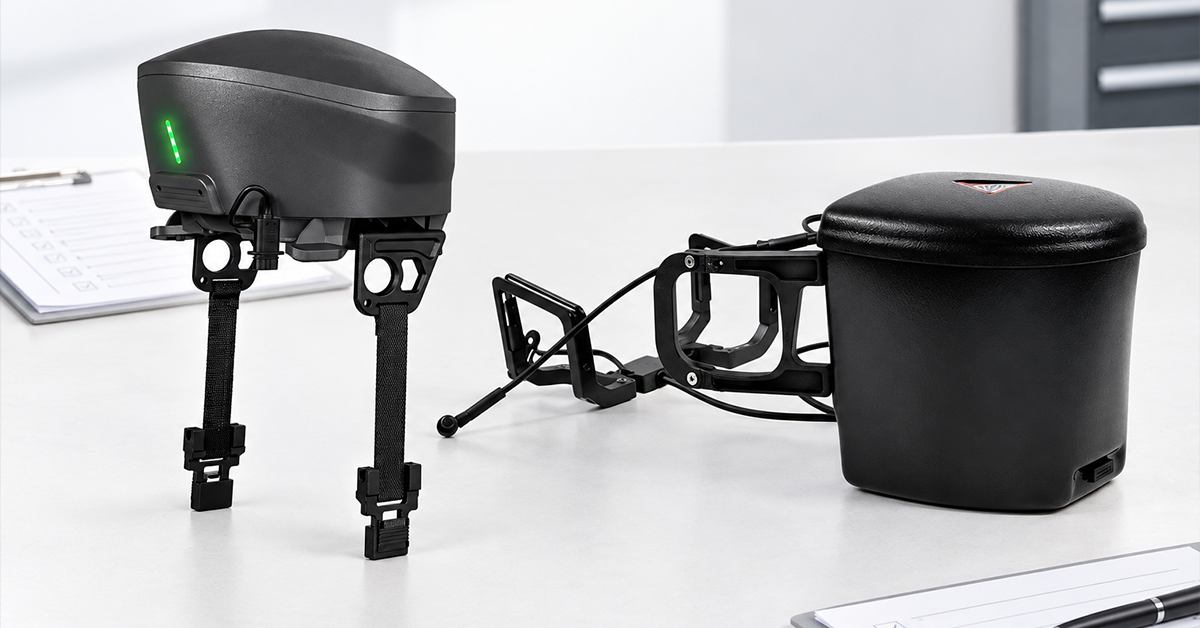
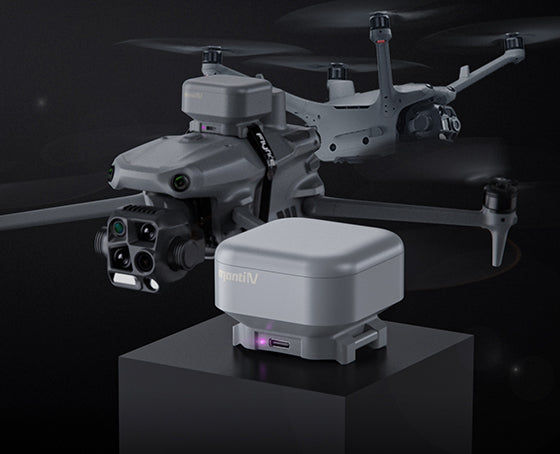
A mixed fleet may need both: Manti 4 for the M4E and M4T side, and Manti 4 Dock for aircraft running through a Dock 3. Ordering them as a matched set during a year-end review is simpler than treating each aircraft as a separate purchase decision.
A Worked Example
Say your fleet looks like this heading into next year: four M4Ts flying regular inspection missions, two of them BVLOS-authorized; two M4Es doing occasional VLOS mapping in controlled areas; and three M4D units running automated Dock 3 routes, with two more M4D units budgeted for Q1.
- The two BVLOS-authorized M4Ts: For planning purposes, treat these as coverage-now aircraft and budget for two Manti 4 units.
- The other two M4Ts and two M4Es: Lower urgency today, but worth budgeting for if their mission profile is likely to change. That is four more Manti 4 units if the budget allows, or defer them if it does not.
- The three active M4D units: Budget for three Manti 4 Dock units, plus one spare for service turnaround, for four total.
- The two incoming M4D units for Q1: Order their matching Manti 4 Dock units alongside the aircraft instead of as a follow-up purchase, for two more units.
That gives you a real number to take into a budget conversation, built from an actual accounting of the fleet instead of a guess.
Reviewing your Matrice 4 fleet before year-end? Explore Manti 4 for standalone and mixed fleets, or Manti 4 Dock for Dock 3 operations. Use your fleet audit to choose the right system, quantity, and reserve.
This article is for planning purposes only and does not constitute legal, regulatory, or operational approval advice. Confirm the requirements that apply to your missions with the relevant authority or a qualified aviation advisor.