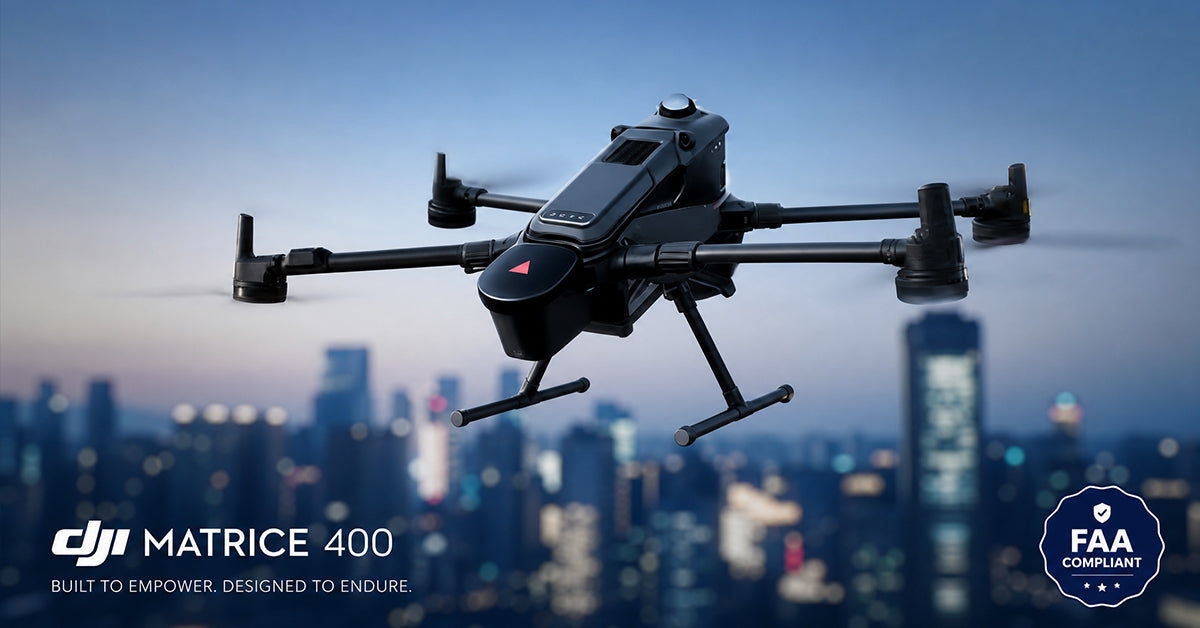



Commercial drone operations are entering a new phase. As enterprise fleets expand from individual aircraft into complex operational networks, safety can no longer be treated as an aircraft-level feature—it must become a fleet-level strategy. The recent introduction of the DJI AP100 parachute system highlights a clear industry shift: active safety mechanisms are transitioning from optional aftermarket accessories into foundational requirements for commercial UAV workflows.
Over the past few years, enterprise operators have moved from asking "Do we need a parachute?" to asking "How do we manage safety across our fleet?" Securing a growing drone program requires a cohesive approach that applies consistent risk management across different form factors and distinct operational environments. The emergence of OEM safety solutions proves the industry is maturing, but enterprise operators still face a broader challenge: protecting diverse fleets across multiple platforms.
The Realities of Scaling Mixed Enterprise Fleets
As commercial drone programs expand to hit diverse operational goals, their hangars naturally become multi-platform environments. Platforms such as the DJI Matrice 350 RTK and DJI Dock 3 represent two common examples within a typical corporate fleet. An organization might utilize heavy-payload aircraft for localized industrial inspections, while simultaneously deploying automated drone-in-a-box systems for remote site monitoring.
When a fleet scales this way, managing risk on a piecemeal, drone-by-drone basis creates significant operational friction:
-
Regulatory Alignment: Securing complex operational waivers—such as Beyond Visual Line of Sight (BVLOS) or flights over people—requires documented risk mitigation data. Presenting fragmented safety configurations to aviation authorities can complicate and delay the approval process.
-
The Propeller Displacement Challenge: In the event of an unexpected mid-air malfunction, the primary technical objective is ensuring the propulsion system stops before a parachute deploys. Without a dependable Flight Termination System (FTS) to manage motor power, spinning blades risk disrupting the deployment sequence.
-
System Independence: Relying on safety systems that share the primary aircraft's software architecture introduces shared-point risks. If the central flight controller experiences an anomaly, secondary protection systems should operate via an independent power and sensor array.
Piecing together disparate safety accessories from various brands leads to fragmented maintenance schedules, increased training hours for remote pilots, and inconsistent compliance data. True fleet safety management demands a single, predictable protection framework across the entire enterprise portfolio.
FlyFire: Active Safety for Multi-Platform Enterprise Operations
FlyFire develops active safety systems designed for multi-platform enterprise operations. Rather than focusing on a single aircraft model, our engineering centers on creating reliable safety cells that integrate smoothly into mixed fleet operations, allowing enterprises to manage risk under a single framework.
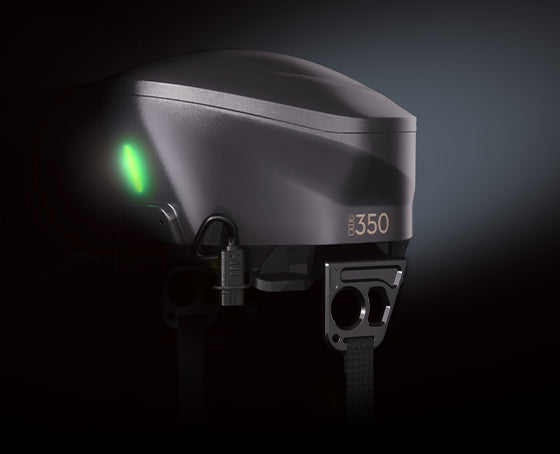
1. Heavy-load support: FlyFire OWL-M350 parachute system for the M350 RTK drone.

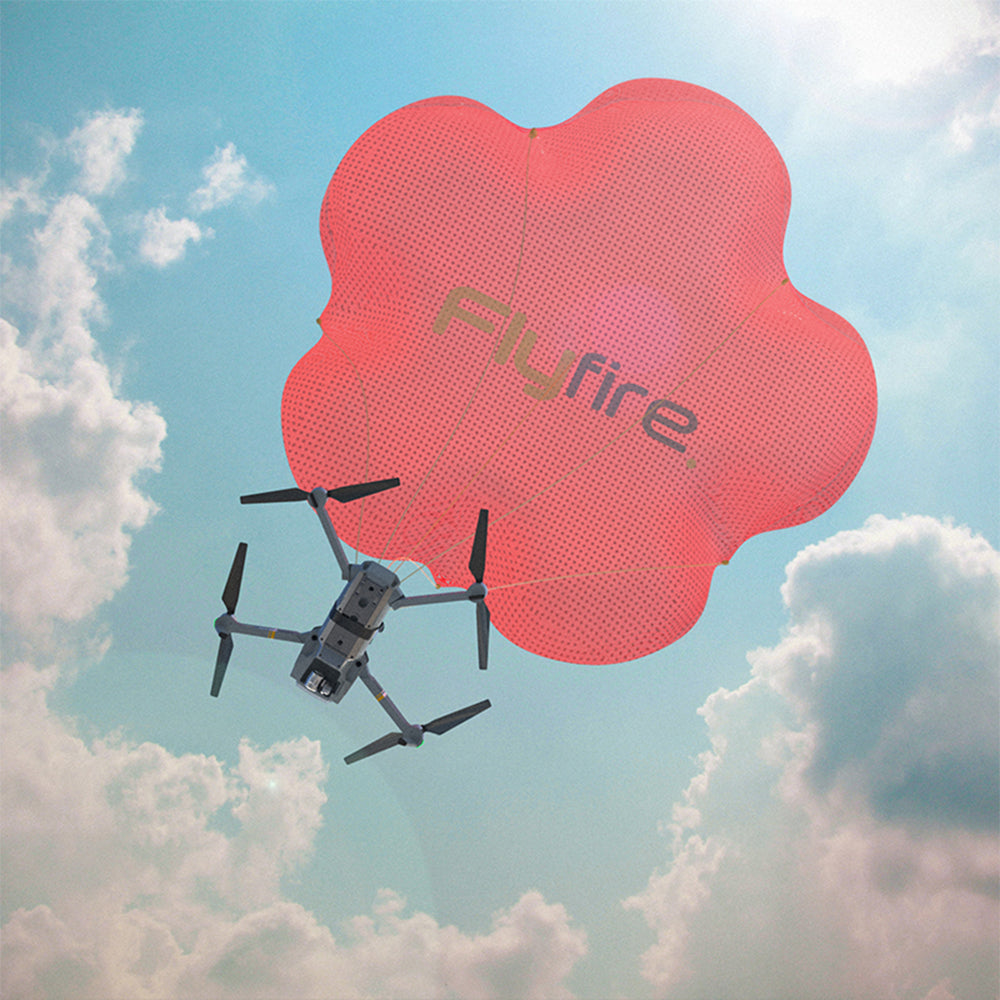
Heavy-payload aircraft are primary tools for industrial utilities and mapping, often carrying expensive sensors in demanding environments. The FlyFire OWL system provides a dedicated protective layer designed to minimize structural impact and safeguard ground environments without altering the drone's primary utility:
-
Independent Sensor Architecture: Built with its own isolated IMU and backup power system. The OWL system monitors flight data independently, ensuring it can detect anomalies and deploy even during a primary aircraft power loss.
-
Structural Integration: Designed to match the aerodynamic profile of the chassis, ensuring the safety unit does not obstruct top-mounted sensors, dual-gimbal configurations, or GPS reception.
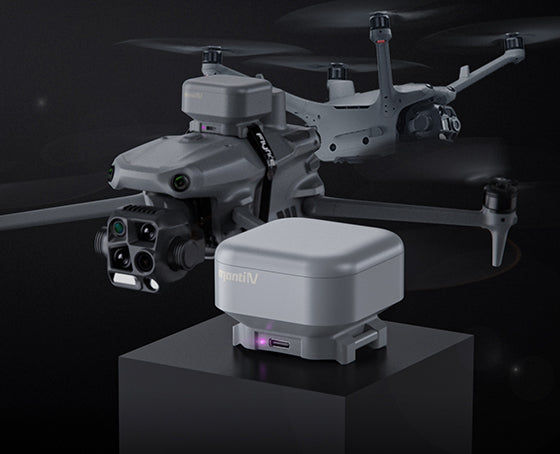
2. Automated Workflows: FlyFire Manti 4 Parachute & FTS for Docking Stations

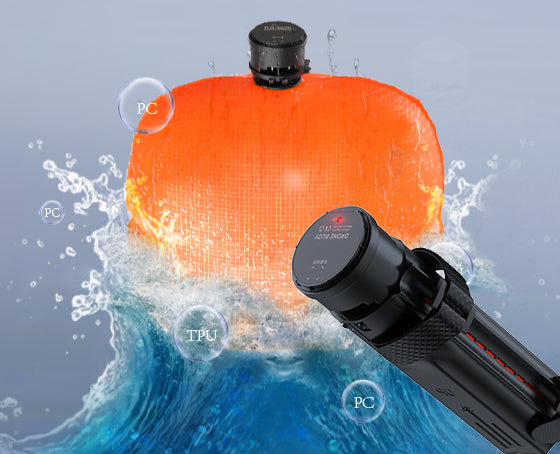
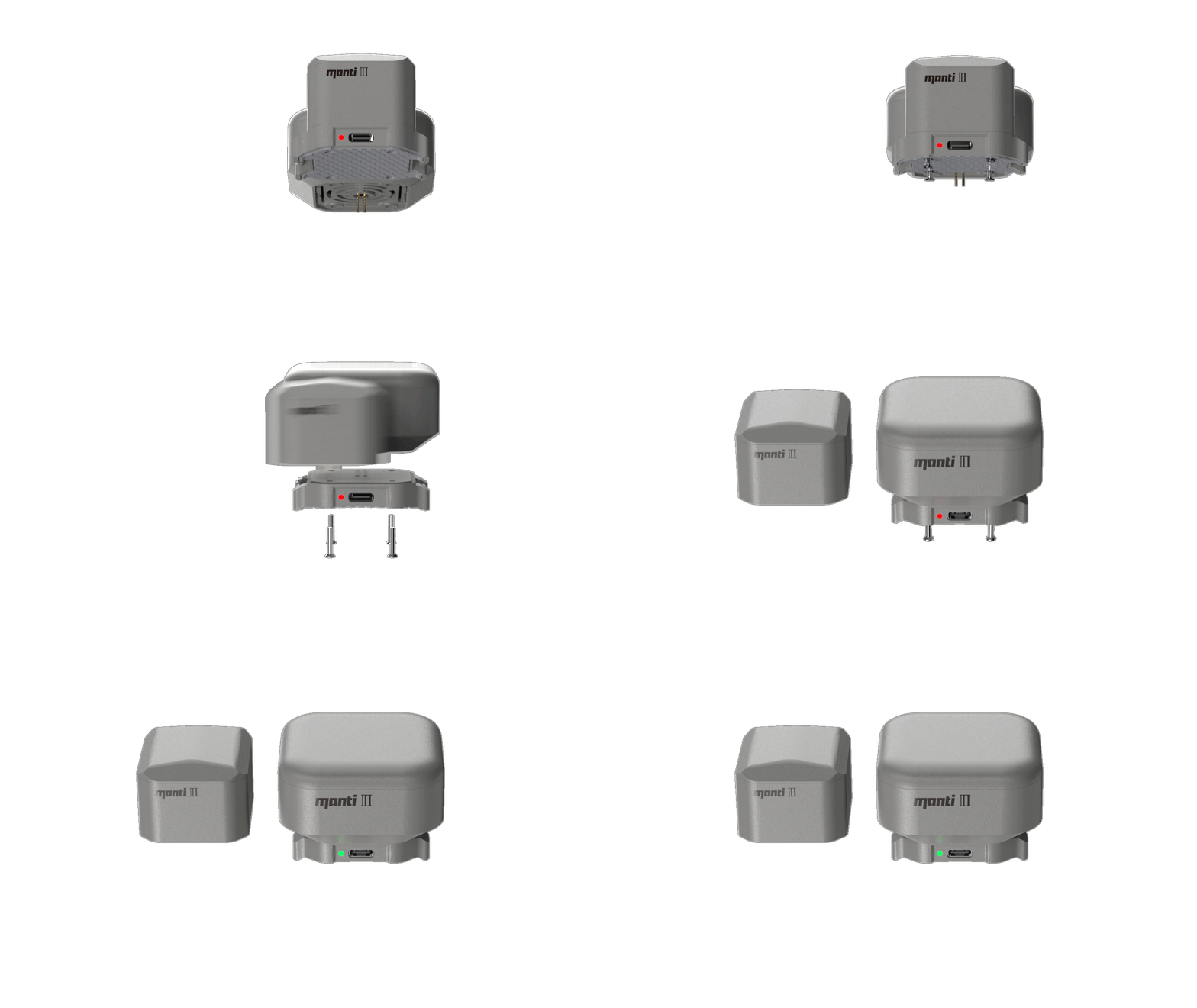
Unstaffed, automated operations rely heavily on predictable hardware performance. The FlyFire Manti 4 system is engineered specifically for the precise spatial and mechanical constraints of automated environments, such as the DJI Dock 3:
-
Integrated Flight Termination System (FTS): The Manti 4 combines an aerodynamic parachute with a specialized electronic motor-stop mechanism. Upon detecting a critical descent profile, it terminates motor power to prevent propeller interference, aligning with international SORA safety objectives.
-
Enclosure Compatibility: Built with a low-profile footprint that allows the aircraft to seat correctly inside the docking station, preserving automated mechanical arm alignments, canopy closures, and contact charging cycles.
-
Digital Readiness Verification: The system performs internal diagnostic routines that interface with fleet management software, allowing operations teams to review safety system readiness prior to automated deployment.
A Unified Approach to Enterprise Risk Management
The launch of the DJI AP100 has provided valuable market awareness regarding the utility of active safety devices. However, specialized fleet procurement requires looking beyond individual aircraft models.
To lower operational liabilities, streamline pilot training, and build an adaptable framework for global aviation compliance, organizations need an experienced safety partner capable of protecting manual platforms and autonomous docks alike. FlyFire delivers the comprehensive infrastructure necessary to establish true fleet-level safety management.
Explore FlyFire's full UAV parachute ecosystem, built to support diverse enterprise platforms, mission requirements, and operational environments.