


BVLOS Operations: Where Safety Recovery Systems Fit Into the Compliance Picture
Why Risk Assessment Is Dominating the 2026 Agenda
Commercial UAV Expo 2026 runs September 1–3 in Las Vegas, and the agenda includes a joint FAA/EASA keynote on September 3 comparing US and EU approaches to beyond-visual-line-of-sight (BVLOS) operations. Regulators on both sides of the Atlantic are working through the same set of questions, just from different starting points.
Looking at the event coverage and the wider BVLOS conversation this year, one thing stands out: risk assessment frameworks are taking up most of the agenda. As BVLOS shifts from case-by-case waivers toward routine, scalable operations, regulators want more specific, more verifiable answers to one question in particular: what happens to people on the ground if the aircraft loses control or loses link. That is where drone safety recovery systems, including parachute recovery and flotation (water landing) systems, enter the compliance conversation.
If you are building out a BVLOS fleet, or supporting BVLOS operations for enterprise customers, understanding where recovery systems actually fit into the regulatory framework matters more than comparing spec sheets in isolation.
What "Ground Risk Mitigation" Actually Requires Under SORA
How SORA Classifies Ground Risk
Whether you operate under EASA or reference a similar methodology elsewhere, the core tool used to evaluate whether a BVLOS operation can be approved is SORA, the Specific Operations Risk Assessment. SORA splits risk into two broad categories: air risk (the chance of colliding with another aircraft) and ground risk (the chance of harming someone on the ground if the aircraft fails).
For ground risk, the assessment comes down to a fairly direct question: if the aircraft loses power or control mid-flight, how much impact energy does it carry, how large an area could it affect, and how severe are the likely consequences. Operators generally have a few levers to pull to bring that risk level down: restricting operations to sparsely populated areas, reducing altitude and speed, or equipping the aircraft with a system that actively reduces impact risk.
Where Parachute and Flotation Systems Fit In
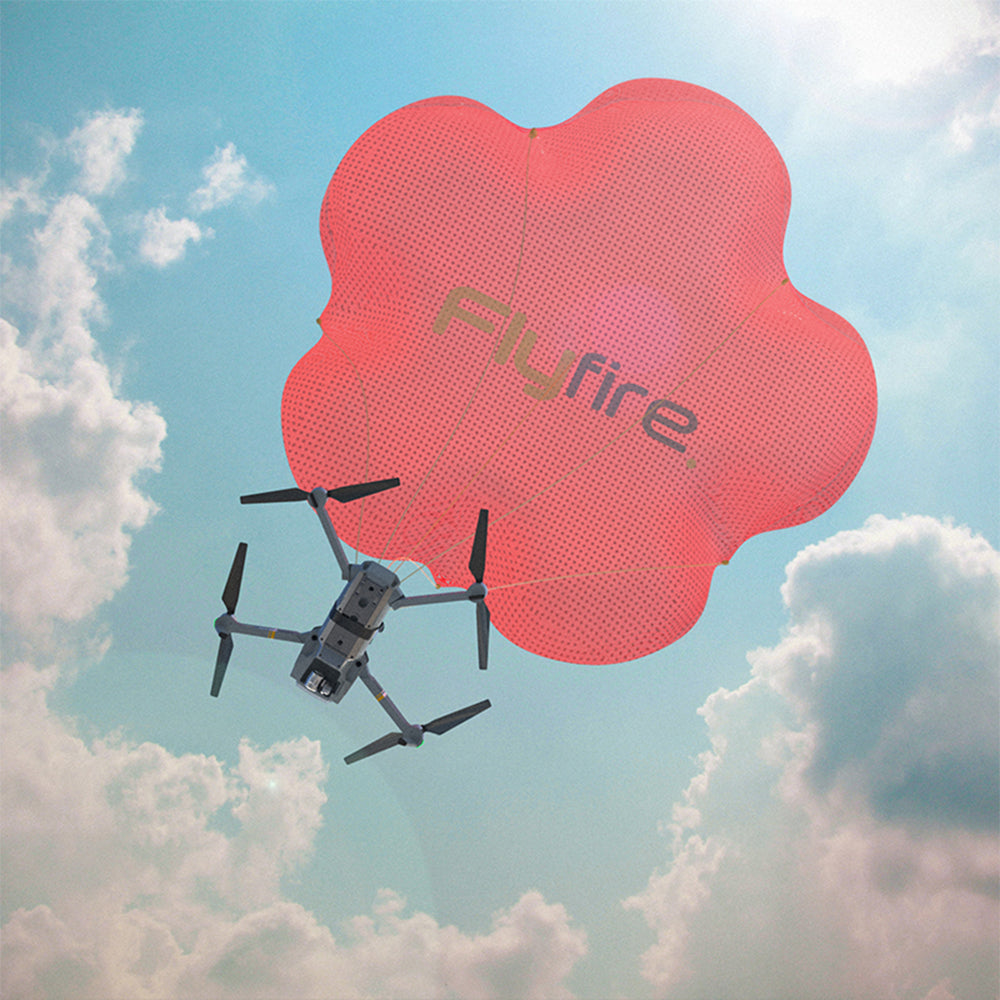
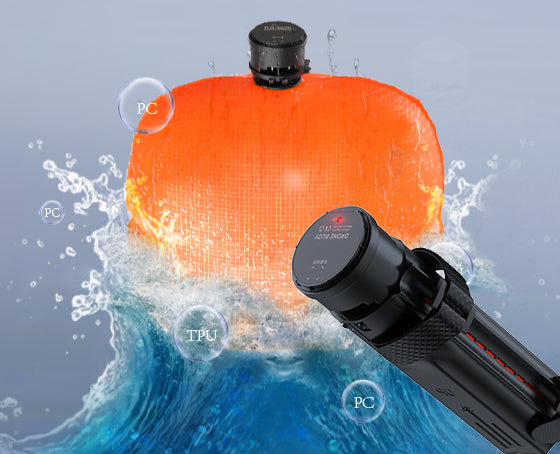
Parachute recovery systems and flotation systems fall into that third category, and they are among the more mature, more verifiable mitigations available. A properly tested parachute system reduces the impact energy of an uncontrolled descent, which directly affects how ground risk gets classified in a SORA submission. In coastal or over-water operations, flotation systems solve a related but separate problem: keeping the aircraft from sinking after an emergency landing, avoiding both data loss and cleanup costs. In a growing number of BVLOS applications, these systems are not accessories. They are part of the evidence used to justify the risk classification itself.
FAA and EASA: Two Paths, One Direction
US: FAA Part 108 Still Being Finalized
In the US, the FAA's Part 108 rulemaking, the framework expected to govern routine BVLOS operations, is still being finalized. The industry broadly expects it to spell out more concrete technical and operational requirements once it lands.
EU: EASA SORA Already in Practice
In Europe, EASA has had SORA in place for longer, giving operators a standardized process for submitting risk mitigation evidence when applying for authorization.
The specific requirements, approval timelines, and documentation formats under these two frameworks are not identical. That is exactly why Commercial UAV Expo 2026 gave its closing keynote slot to "Two Skies, One Conversation," a session built around comparing the US and EU regulatory approaches side by side. For companies serving customers on both sides of the Atlantic, or planning to expand fleet operations into a second market, that difference has practical consequences. Test data and certification documents that support an approval in one jurisdiction may not transfer directly to another. It is worth confirming a supplier's cross-market testing and certification history before you submit a BVLOS application, not after you find the paperwork does not line up.
Questions Worth Asking Before You Select a System
A Buyer's Checklist for BVLOS Recovery Solutions
If you are currently evaluating BVLOS recovery solutions, or preparing to talk to suppliers at an upcoming industry event, a few questions are worth having answered going in:
- Has the system been flight-tested on the specific airframe you operate, and is that test data available to review?
- Can the supplier provide the technical documentation needed to support a SORA ground risk classification, not just a product datasheet?
- If your operations span both the US and EU, does the supplier have a track record of cross-market certification or adaptation?
- Beyond parachute recovery, do your operations over water warrant evaluating a flotation system as well?
- Given current supply chain uncertainty, can lead times and post-sale support realistically match your project timeline?
Closing Thought
Routine BVLOS is one of the more predictable trends in this industry right now, but predictable does not mean simpler to get approved. If anything, as operations scale, regulators will expect a more detailed chain of risk evidence, not a lighter one. Safety recovery systems are one of the few mature, verifiable pieces of that chain, and they are shifting from "nice to have" to "expected" in a growing share of procurement conversations. Understanding that shift now beats discovering it when an application gets sent back for more documentation.
About FlyFireTech Parachute Systems
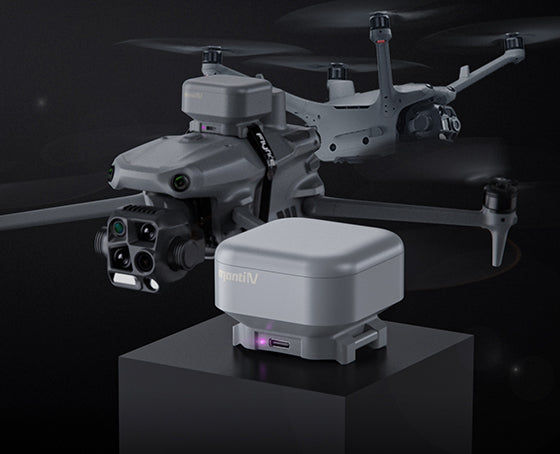
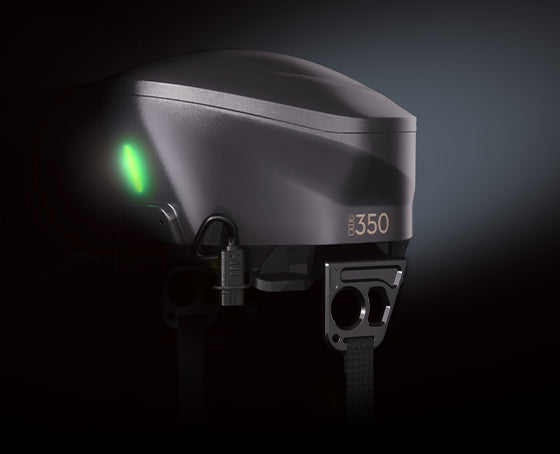
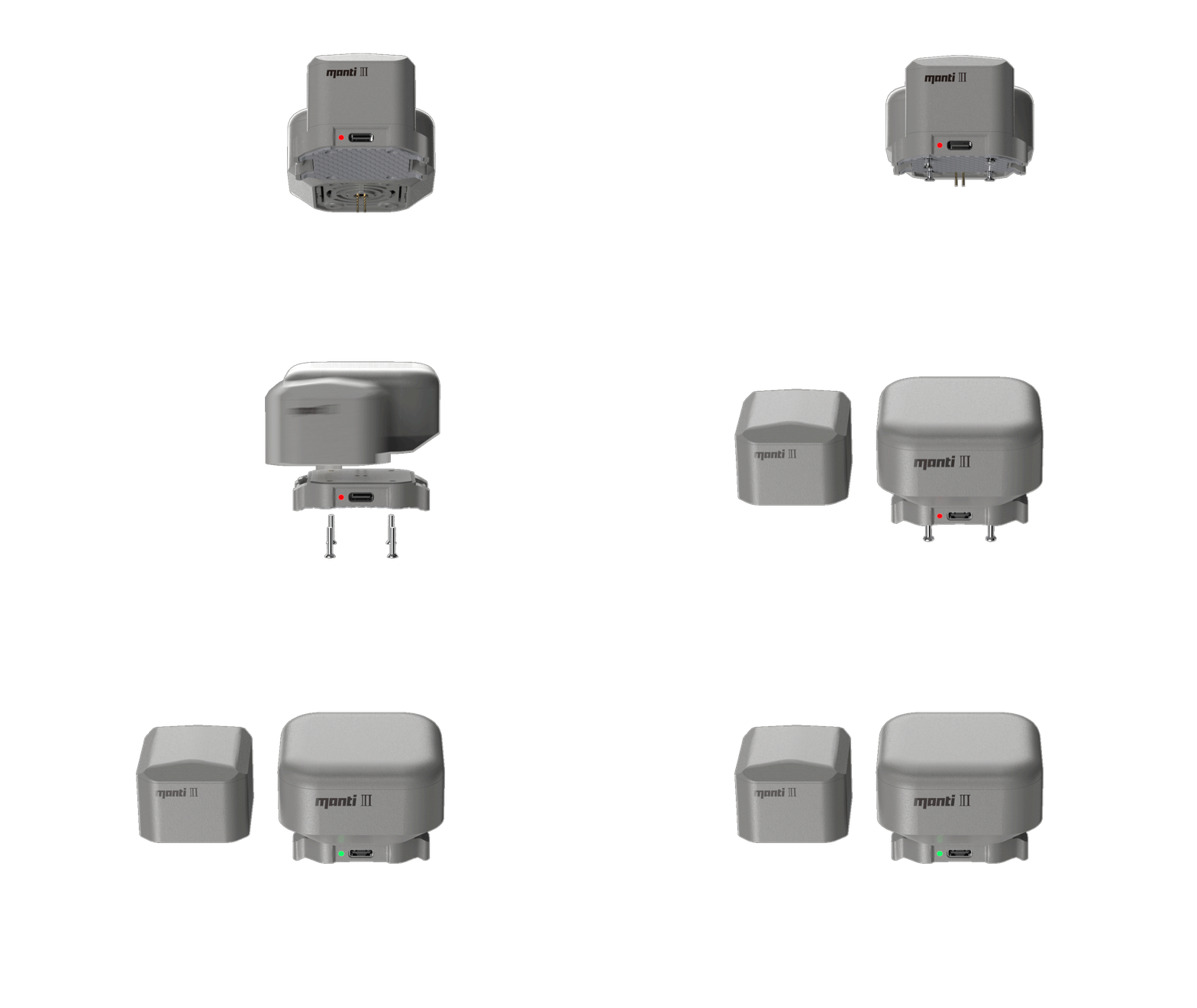
FlyFireTech develops parachute recovery systems for a wide range of DJI enterprise platforms. For DJI Dock 3 and the Matrice 4 series, the "Manti 4D" system provides an integrated parachute and FTS solution designed for automated operations. For the DJI Matrice 30 series, the "OWL-30" parachute system delivers reliable emergency recovery for demanding commercial missions.

Beyond these models, FlyFireTech offers parachute recovery solutions for multiple DJI enterprise drones, helping operators build safer, more compliant UAV fleets for BVLOS, public safety, inspection, mapping, and other professional applications.