


The FCC's public comment period for one of its most consequential drone proposals of 2026 closed on September 2, 2026. December's Covered List action only blocked new DJI models from entering the market. This proposal goes after equipment that is already sitting in commercial fleets. If your operation flies LiDAR, thermal imaging, or a Dock-based system, this is the proposal to actually sit down and understand.
What Actually Happened on September 2
The story starts in December 2025, when DJI and other foreign drone makers were added to the FCC's Covered List after no federal agency completed the security audit required under the FY25 National Defense Authorization Act. That action blocked new equipment authorizations going forward, but it did not touch models that had already cleared FCC approval.
On July 21, 2026, the FCC's Public Safety and Homeland Security Bureau and Office of Engineering and Technology went further. Public Notice DA 26-758 opened PS Docket No. 26-189, proposing to strip authorization from previously approved drones and components that the agency now classifies as "military-grade." The public comment window ran through September 2, 2026. If the FCC adopts the rule as written, the resulting import and sales ban would take effect roughly 180 days after final publication, which puts the practical impact, if it happens, in early-to-mid 2027.
This is still a proposal, not a final rule. But operators who wait for the final decision before planning usually end up reacting instead of preparing.
What Counts as "Military-Grade" Under the Proposal
According to the FCC's public notice and reporting from outlets including PetaPixel, TechRadar, and Tom's Hardware, the definition is broader than the name suggests. It covers:
- Aircraft weighing 55 lbs (about 25 kg) or more at takeoff
- Agricultural spray platforms covered under the FAA's economic poison rules
- Any drone carrying a thermal imaging sensor
- Any drone carrying LiDAR
- Docking stations
- Aircraft specially designed to incorporate a defense article
- Swarming systems, defined broadly enough to include coordinated drone-light-show fleets
DJI has publicly pushed back, arguing the criteria sweep in civilian tools that first responders, farmers, and inspection crews use every day, not just defense-grade hardware. The company points to a May 2026 third-party audit that found no evidence of unauthorized data transmission or hidden backdoors in two of its enterprise models. The FCC's stated position is that the national-security determination stands regardless of current product behavior. We're not going to adjudicate that dispute here. It is now part of the public docket and, likely, headed for further litigation; DJI has separately petitioned the Ninth Circuit over the original December listing.
Which DJI Platforms Are Actually Exposed
Named models on the consumer/prosumer side reportedly include the DJI Air 3S, Avata 360, Mini 5 Pro, and Mavic 3T. On the enterprise side, the categories map directly onto the platforms most commercial fleets already depend on:
- LiDAR — the Matrice 400's LiDAR payload configuration, and any Matrice platform running LiDAR-based obstacle avoidance or mapping payloads
- Docking stations — the Matrice 4D/4TD paired with Dock 3, and any automated dock-based deployment
- Thermal imaging — the Matrice 30T and any Matrice 4T/4TD thermal payload, commonly used for search-and-rescue and infrastructure inspection
- Heavy-lift configurations — M350 and M400 airframes flying with multiple sensors or heavy accessory payloads that push combined weight toward the threshold
To be clear, none of this grounds an aircraft you already own. The FCC has said existing use is not the target. What is genuinely at risk, if the rule is finalized, is the pipeline behind the aircraft: new-unit sales, spare parts, and long-term software support.
What This Means If You Already Fly One of These Aircraft
The uncomfortable part isn't a knock on your door. It's the slower erosion: replacement parts get harder to source, the firmware and app support timeline turns uncertain, and the used market reacts to policy uncertainty long before any rule is final. Retail and secondary prices for DJI equipment already moved sharply after the December listing. For a fleet built around a Matrice 400 carrying LiDAR, or a Dock 3 deployment running unattended missions, that uncertainty is a real planning factor for the next 12–18 months, not just background noise.
Why This Raises the Bar on Fleet Protection, Not Just Compliance
If replacing a Matrice 400, an M350, or a Dock-based Matrice 4D gets harder or more expensive over the next year, the value of the unit you already own goes up, not down. Insurance transfers financial risk after an incident. It does nothing to prevent the incident itself. The layer that actually reduces the odds of losing an aircraft mid-mission — a parachute and flight-termination system paired with sound maintenance and flight-log discipline — matters more now than it did before this proposal existed.
How FLYFIRE Protects the Exact Platforms Named in the FCC's Proposal
This is the part of the story we actually have standing to talk about. FLYFIRE builds recovery systems for the specific enterprise airframes this proposal touches:
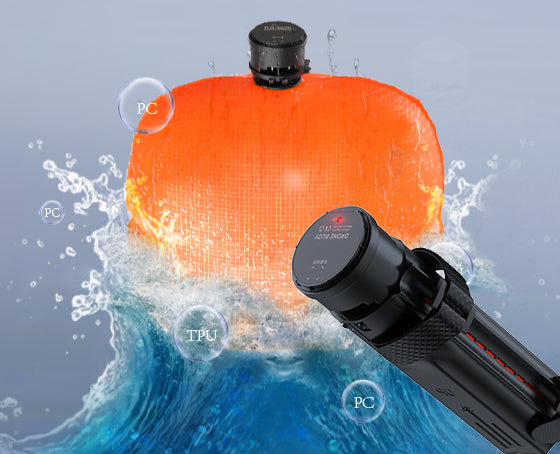
- OWL-M400 — purpose-built for the DJI Matrice 400 RTK, rated for a 15.8 kg load with a 7.29 m² canopy and roughly 500–700 ms reaction time. For an M400 flying a LiDAR payload, this adds a dedicated recovery layer on top of the aircraft's own obstacle-avoidance system.
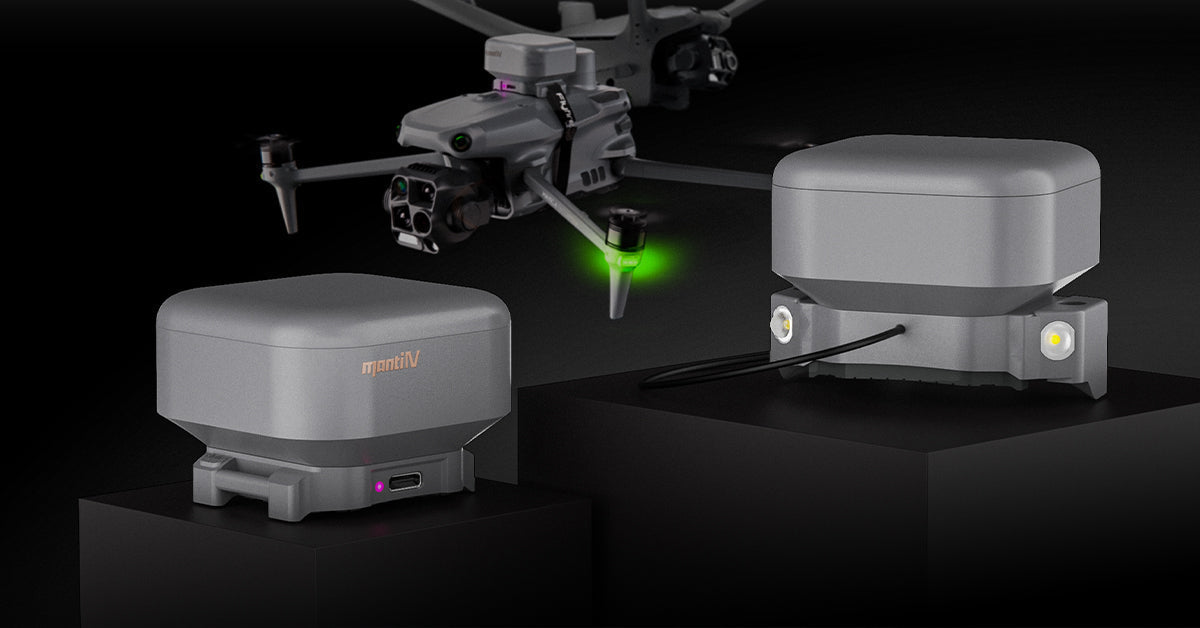
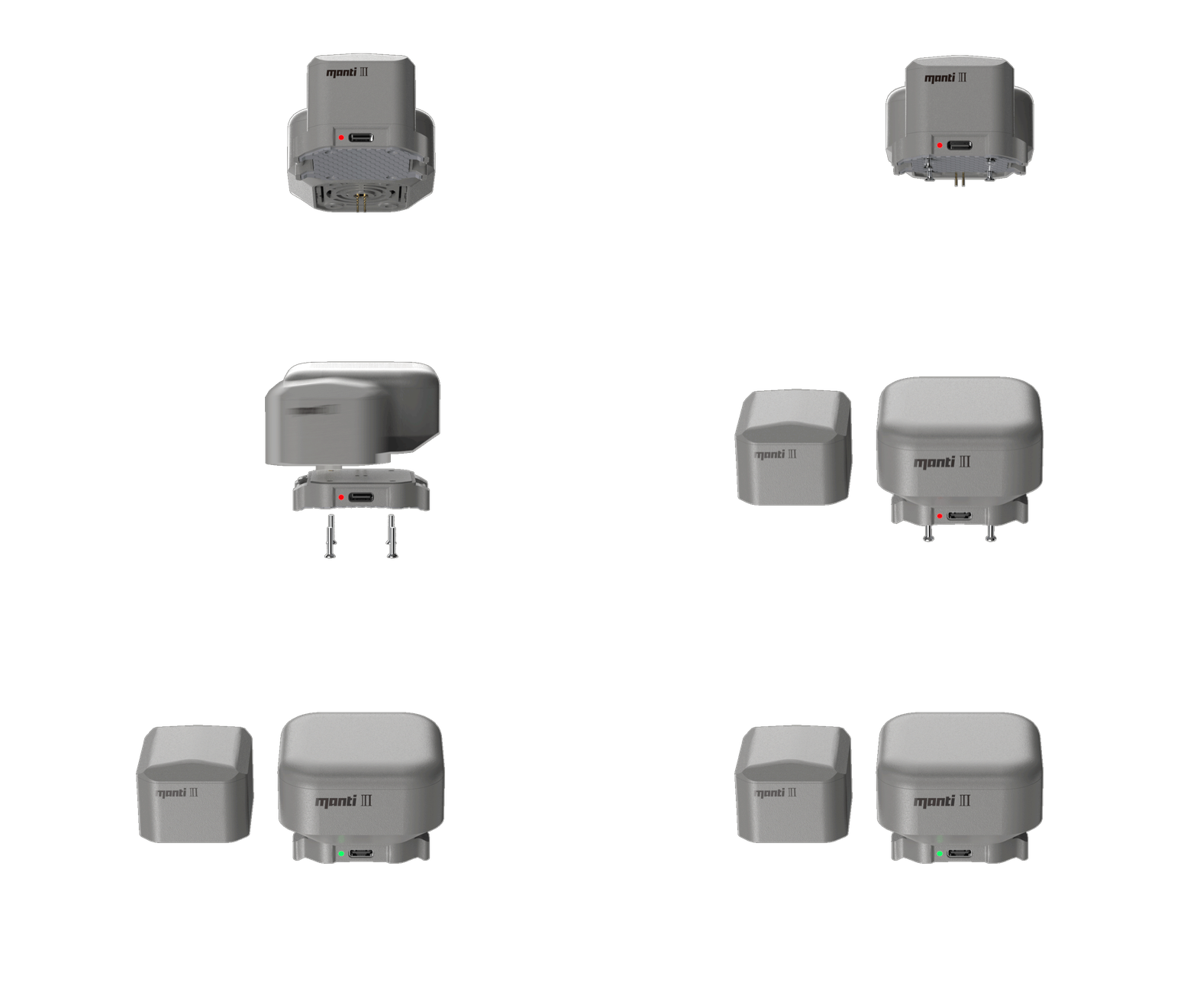
- Manti 4 Dock — designed for the Matrice 4D/4TD in Dock 3 automated operations, with automatic abnormal-flight detection, rapid deployment, and flight-log recording. Built for missions where no pilot is standing next to the aircraft when something goes wrong.
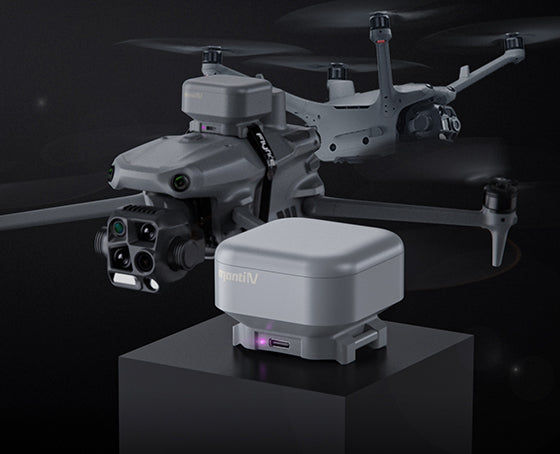
- Manti 4 — for standalone Matrice 4 operations, using acceleration and barometric sensors with FLYFIRE's APS 3.0 deployment logic.
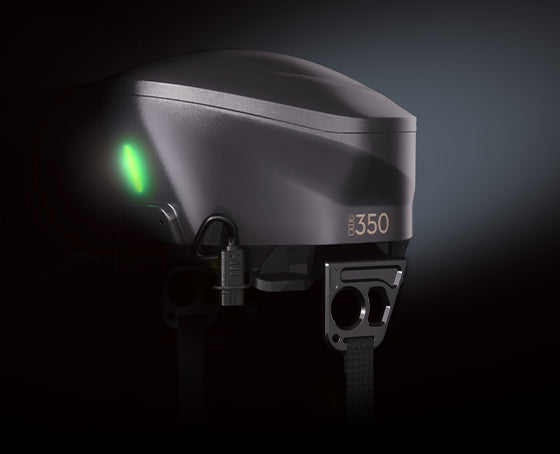
- OWL-M350 — for M350 RTK survey and inspection fleets, integrating with existing flight-control and FTS logic instead of bolting on as an afterthought.
- OWL-M30 — for the Matrice 30/30T, including thermal-equipped configurations used in search-and-rescue and inspection work.
None of these change anything about the FCC proceeding. What they change is how much downside a fleet operator carries while the proceeding plays out.
What Operators Should Do Before the Rule Is Finalized
The window between a proposal and a final rule is the most useful time to act. Here is where to focus:
- Inventory which aircraft in your fleet carry LiDAR, thermal, or Dock-based deployment. These are the platforms most exposed under the proposal.
- Stock spare batteries, props, and consumables now, while supply is still normal.
- Add a parachute/FTS layer to your highest-value, highest-payload aircraft instead of treating it as optional.
- Keep flight logs and maintenance records current. They matter for both insurance underwriting and any future compliance requirement.
- Track PS Docket 26-189 for the FCC's next procedural step, and start planning now instead of waiting for a final rule.