


The FCC September 2 deadline has been getting a lot of attention across the U.S. drone industry. If your company already operates DJI Matrice 400, M350, Matrice 4, or Dock-based systems, it is a date worth keeping an eye on — but it does not mean your existing DJI aircraft need to stop flying overnight.
Current FCC measures and proposals target future authorization, importation, and marketing of certain UAS and critical components. The FCC has also clarified that placing devices on the Covered List does not automatically prevent previously purchased units from continued use.
So for commercial operators, the practical question shifts: if an existing DJI fleet is going to keep working for the next several years, how can operators protect those assets more effectively? That is a more useful line of thinking than asking whether DJI will remain available.
Policy Changes Do Not Diminish the Value of an Existing DJI Fleet
Many commercial operators have already built their workflows around DJI platforms. A Matrice 400 might carry LiDAR, mapping gear, or infrastructure inspection payloads. An M350 RTK could support survey and engineering work. A Matrice 4 might handle frequent field inspections, while a Matrice 4D/4TD could be integrated into a more automated Dock-based workflow.
The value of these systems goes well beyond the aircraft itself — cameras, LiDAR sensors, thermal payloads, batteries, trained personnel, project schedules, and customer commitments are all tied up in each platform. So the question is less about "How much does the drone cost?" and more about "What would losing the system mid-mission actually cost you?"
That is why drone fleet safety and asset protection deserve more attention as commercial fleets become more valuable. An aircraft already part of a productive fleet is worth protecting — regardless of what happens with policy.
Why a Drone Parachute System Is More Than Just an Accessory
When people first look at a parachute system, the obvious question is usually cost. For a professional fleet, a few other questions matter more:
- How quickly does it react?
- How does it determine whether an aircraft is actually in danger?
- Can it work with the flight-control system or FTS?
- Can the operator review what happened afterward?
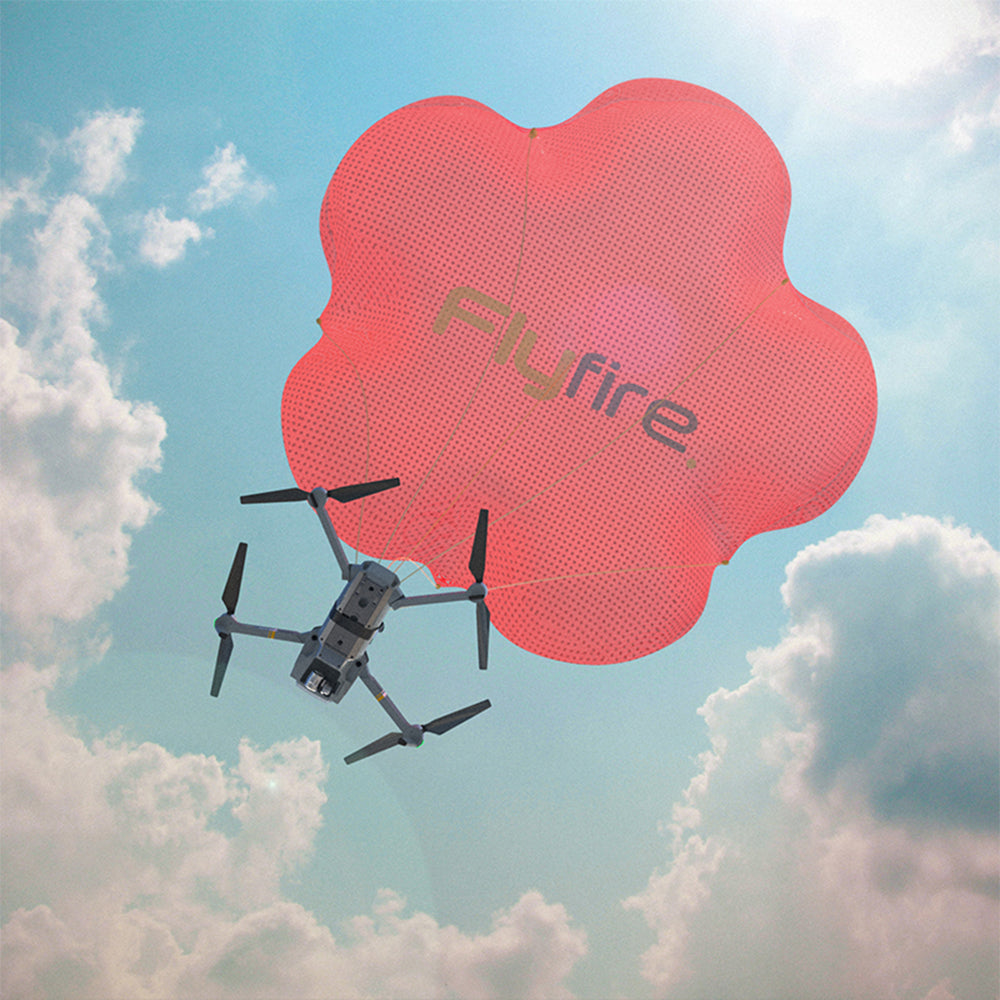
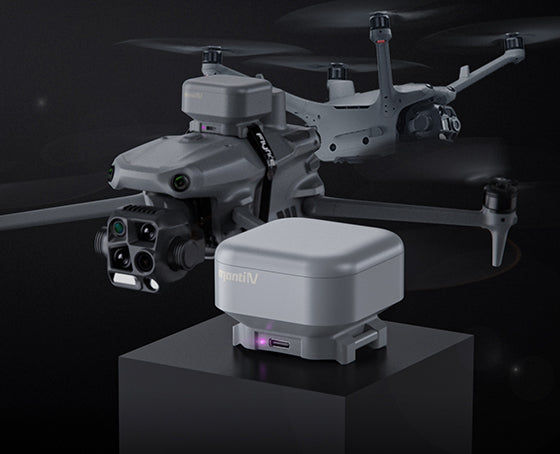
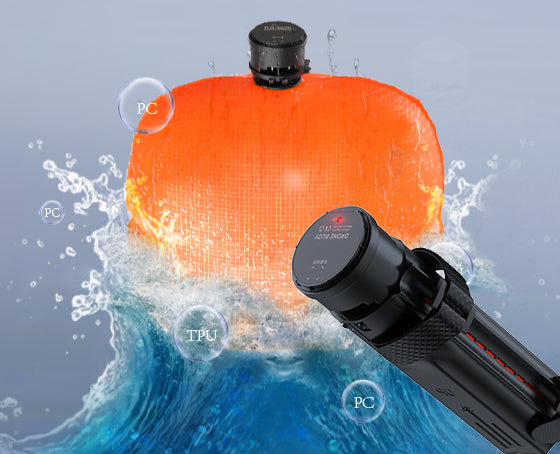
Those details determine whether a parachute is just a piece of equipment or part of a broader aircraft safety system. FLYFIRE's Manti 4, for example, uses acceleration and barometric sensors to assess flight attitude, combined with its APS 3.0 deployment logic, and stores flight logs for later review. The goal is not to make the aircraft "crash-proof" — it is much simpler: when something goes wrong, give the operator another shot at a controlled descent.
Higher-Value DJI Platforms Require Greater Safety Redundancy
DJI Matrice 400

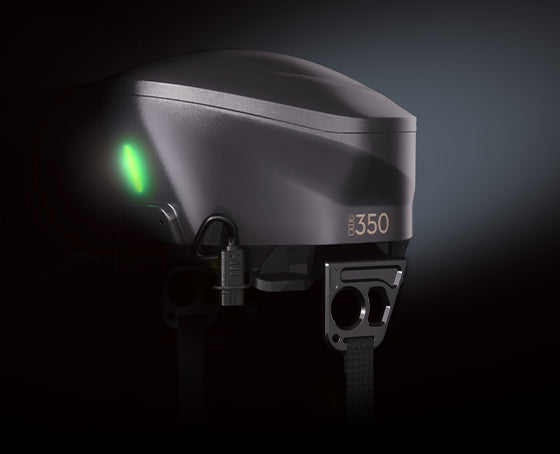
The M400 is built for enterprise-level missions. When it carries LiDAR, mapping equipment, or other valuable payloads, the financial impact of a serious crash extends well beyond the airframe. FLYFIRE's OWL-M400 is designed specifically for the DJI Matrice 400 RTK, with a rated load of 15.8 kg, a 7.29 m² canopy, and a stated reaction time of approximately 500–700 ms. For an existing M400 fleet, this functions as an additional asset protection layer rather than just another accessory.
DJI M350 RTK

The M350 is widely used for professional surveying, inspection, and engineering work. For these aircraft, the more important question is often how the parachute integrates with the rest of the safety architecture — including FTS and flight-control logic — to build a predictable emergency sequence, not just bolt on a parachute.
DJI Matrice 4 / 4D / 4TD

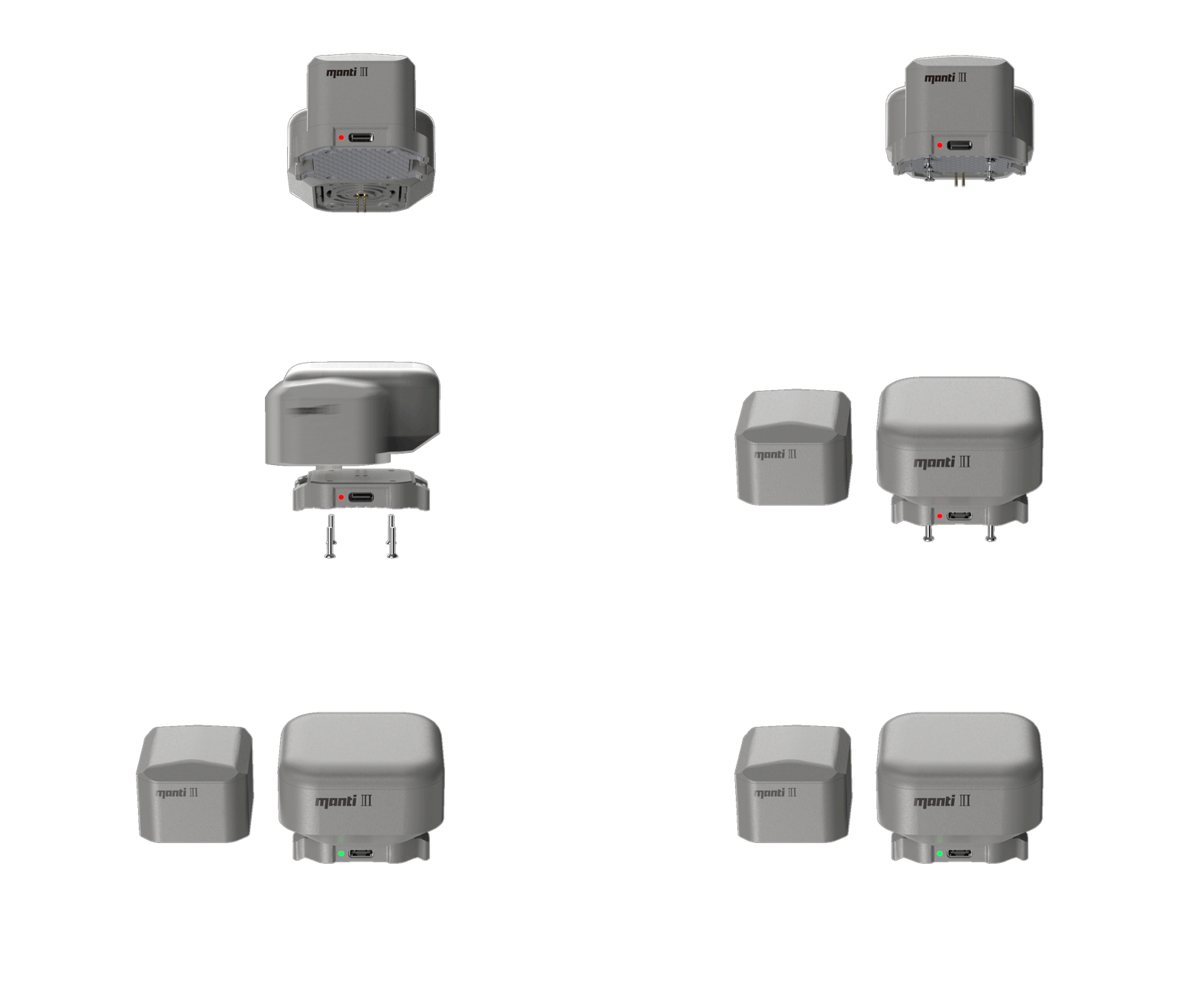
The Matrice 4 family supports a wide range of commercial missions, while Dock-based deployments add a higher degree of automation. FLYFIRE's Manti 4 is designed for Matrice 4, while Manti 4 Dock fits Matrice 4D/4TD and Dock 3 applications — featuring automatic detection, rapid response, flight-attitude analysis, and flight-log recording.
For automated operations, this matters significantly because the operator may not be standing next to the aircraft when a problem occurs. The safety process needs to cover the full chain:
Abnormal Flight Detection → Safety Decision → Parachute Deployment → Controlled Descent
Insurance Is Only One Part of DJI Fleet Risk Management
Insurance matters, but it is one piece of the picture. It helps transfer financial risk after an incident. Parachutes, FTS systems, maintenance procedures, and flight records are what help manage risk before and during an incident. A more complete commercial fleet approach looks like:
Insurance + Operational Procedures + Maintenance + Safety Equipment
Whether insurance premiums will rise because of current policy developments is hard to predict — fleet size, aircraft value, mission type, location, and claims history all factor in. A more useful question for an operator: "What risk-control measures are considered when underwriting our drone fleet?" That opens up a much more practical conversation.
What DJI Fleet Operators Should Do Before September 2, 2026
The most useful response is not necessarily replacing the fleet. Instead, take a closer look at which aircraft matter most to the business:
- M400 + LiDAR payload
- M350 + Survey payload
- Matrice 4 + Frequent inspection missions
- Matrice 4D/4TD + Dock 3 automated operations
These aircraft may deserve additional safety redundancy, because a serious incident could affect the mission and attached equipment — not just the airframe. For many operators, adding a suitable parachute system is a relatively straightforward way to improve the overall safety architecture of an existing fleet.
The Real Question: How to Better Protect Your DJI Fleet Going Forward
The September 2 FCC deadline is a good reason for commercial drone operators to review their fleet strategy. But for companies already using DJI equipment, there is no need to frame it as "DJI is no longer viable." A more practical take: "If these aircraft are going to keep working, how do we protect them better?"
That shifts the conversation toward fleet safety, asset protection, and operational reliability. A drone parachute can be one part of that system. FLYFIRE currently offers parachute solutions for several DJI enterprise platforms, including the OWL-M400, OWL-M350, Manti 4, and Manti 4 Dock.

Flyfire DJI drone series parachutes
A parachute does not mean a drone is unsafe. In many professional operations, the logic runs the other way: the more important the aircraft, the more valuable an extra layer of safety becomes.