


With the official launch of the DJI FlyCart 200 (FC200) and the T200 Agriculture Drone, the global low-altitude transport market has officially entered the "200kg Payload Club." While these two powerhouses are currently exclusive to the China market, their groundbreaking specs provide a definitive blueprint for the future of heavy-lift delivery drones in 2026.
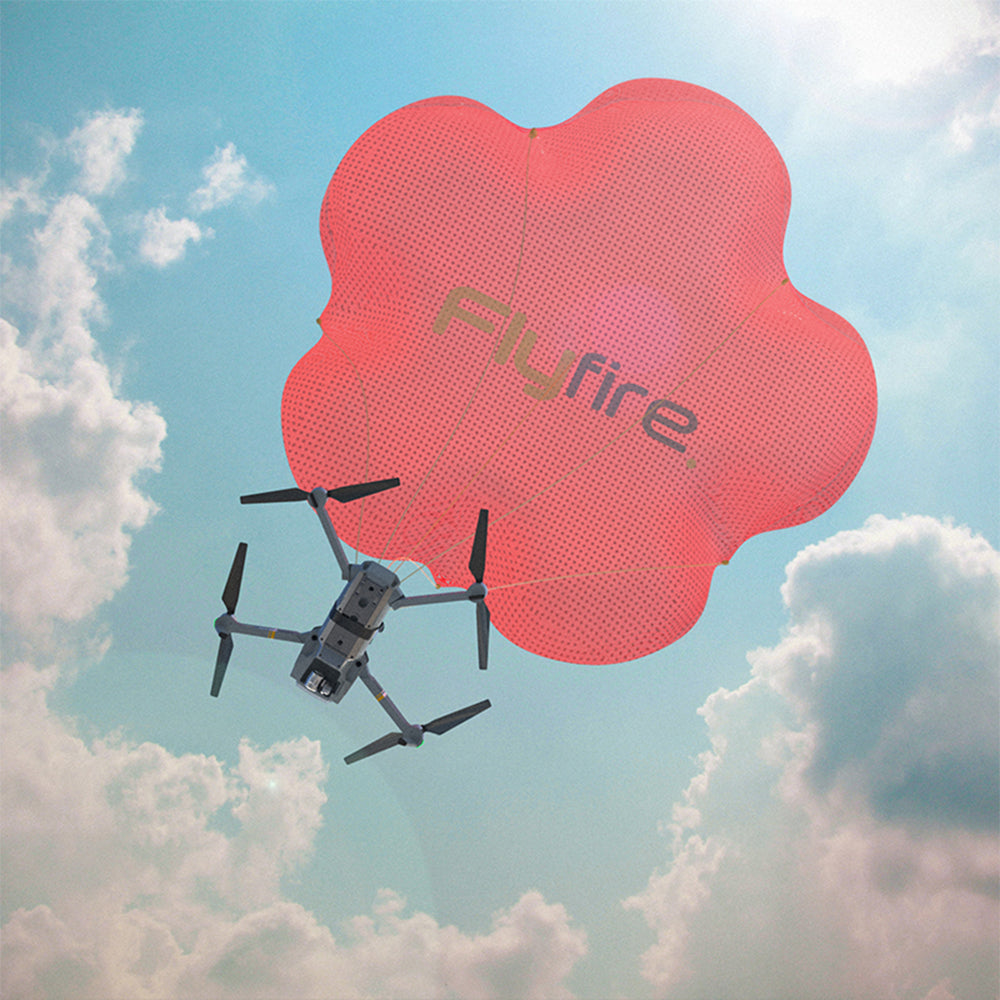
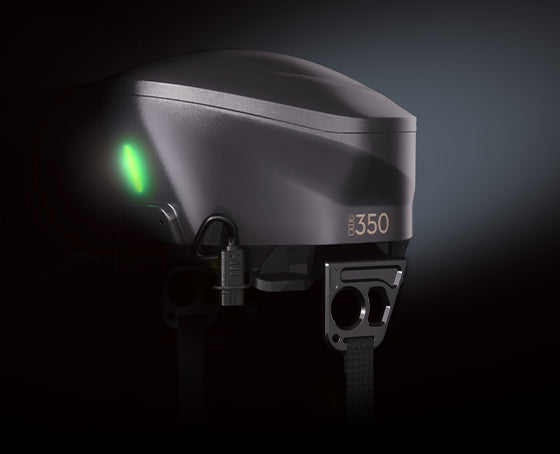
"Looking for ASTM F3322-24a / FAA Compliant Safety Systems?" While you manage your heavy-lift fleet, ensure your daily workforce — DJI Matrice 350 RTK & M400 RTK — are fully legal to fly over people today. [Explore Flyfire OWL Series Parachutes for M350/M400 →]
For global UAV developers and industrial operators, this release isn't just news—it's a preview of the tech that will soon redefine long-range drone logistics and heavy-duty industrial UAV operations.

1. Engineering the Beast: 120V Power & 600kg Swarm Lifting
The DJI FC200 isn't just an upgrade; it's a complete re-engineering of the propulsion system. To manage a 200kg (440 lbs) payload, DJI has transitioned to a high-performance 120V voltage platform.
-
Individual Performance: 200kg max payload with a 36km range.
-
The Swarm Advantage: Utilizing a multi-drone coordination system, the FC200 can perform quad-drone swarm lifting, pushing the total capacity to a staggering 600kg. This makes it the best heavy-lift drone for mountain transport and moving heavy construction equipment.
-
High-Altitude Superiority: Optimized with 68-inch carbon fiber propellers, the FC200 maintains its full 200kg payload at 3,000m altitude, solving the critical "payload drop" issue often seen in high-altitude logistics.

2. Tactical Precision: 256-Line LiDAR & O4 Transmission
The FC200 retains DJI's signature industrial grey and high-visibility safety accents, a design optimized for heat dissipation and field visibility. While it maintains a professional utilitarian look, the internal sensor suite is where the "hardcore" engineering truly takes over.
-
Advanced Obstacle Avoidance: Integrated with a 256-line LiDAR system, the FC200 offers a 156% increase in point cloud density compared to previous generations, allowing it to "see" thin power lines and branches in high-stress environments.
-
The O4 Link: Boasting a 40km O4 transmission range and Sub-2G frequency support, this drone ensures stable connectivity even in signal-congested urban areas or deep mountainous terrain.

3. DJI T200: Heavy-Duty Performance for Global Agriculture
Simultaneously, the DJI T200 Agriculture Drone brings the same 200kg payload capacity to the farming sector. While designed for spraying and spreading, its efficiency represents a massive leap in precision agriculture technology, allowing for high-capacity operations in forestry and large-scale ranching.
4. The "Safety Bottom Line": Managing the Risks of Heavy Payloads
As payload capacities double, the kinetic energy and potential risks during a failure increase exponentially. A 200kg to 600kg load operating in complex terrain requires a level of UAV risk mitigation that goes beyond standard hobbyist tech.
While DJI provides a built-in parachute system, professional operators seeking ASTM F3322-18 compliance or EASA SORA certification often require higher levels of safety redundancy.

(Related: Why the Matrice 400 RTK remains the king of industrial ops with OWL safety redundancy)
Expert Insight: The Universal Standard for UAV Safety
The introduction of the 200kg-capacity FC200 highlights a universal truth in modern drone logistics: the higher the payload, the more critical independent safety redundancy becomes. While ultra-heavy lifters like the FC200 require their own specialized safety architecture, this rigorous approach to risk mitigation is equally mandatory for today's most widely used commercial UAVs.
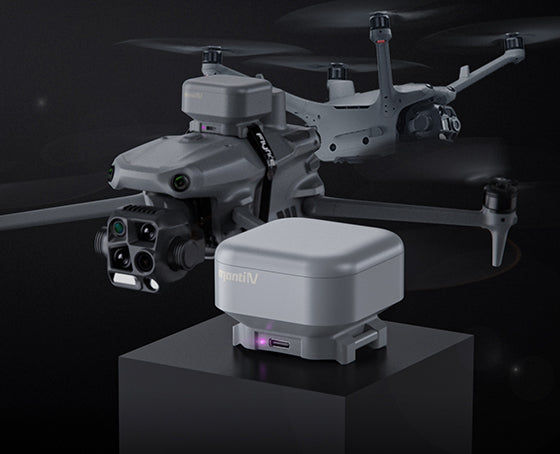
For operators managing enterprise platforms like the DJI Matrice 350/400 RTK, the Mavic 3 series, or custom multirotors in the 15-70kg weight class, securing complex flight waivers (such as ASTM or FAA Part 107) requires proven, independent safety systems. This is exactly where Flyfire's Professional Drone Parachute Systems bridge the gap.

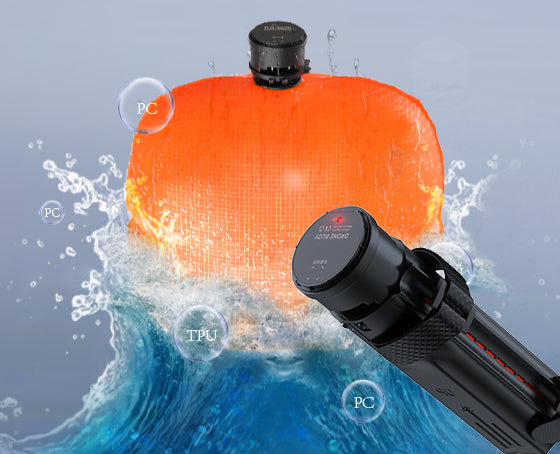
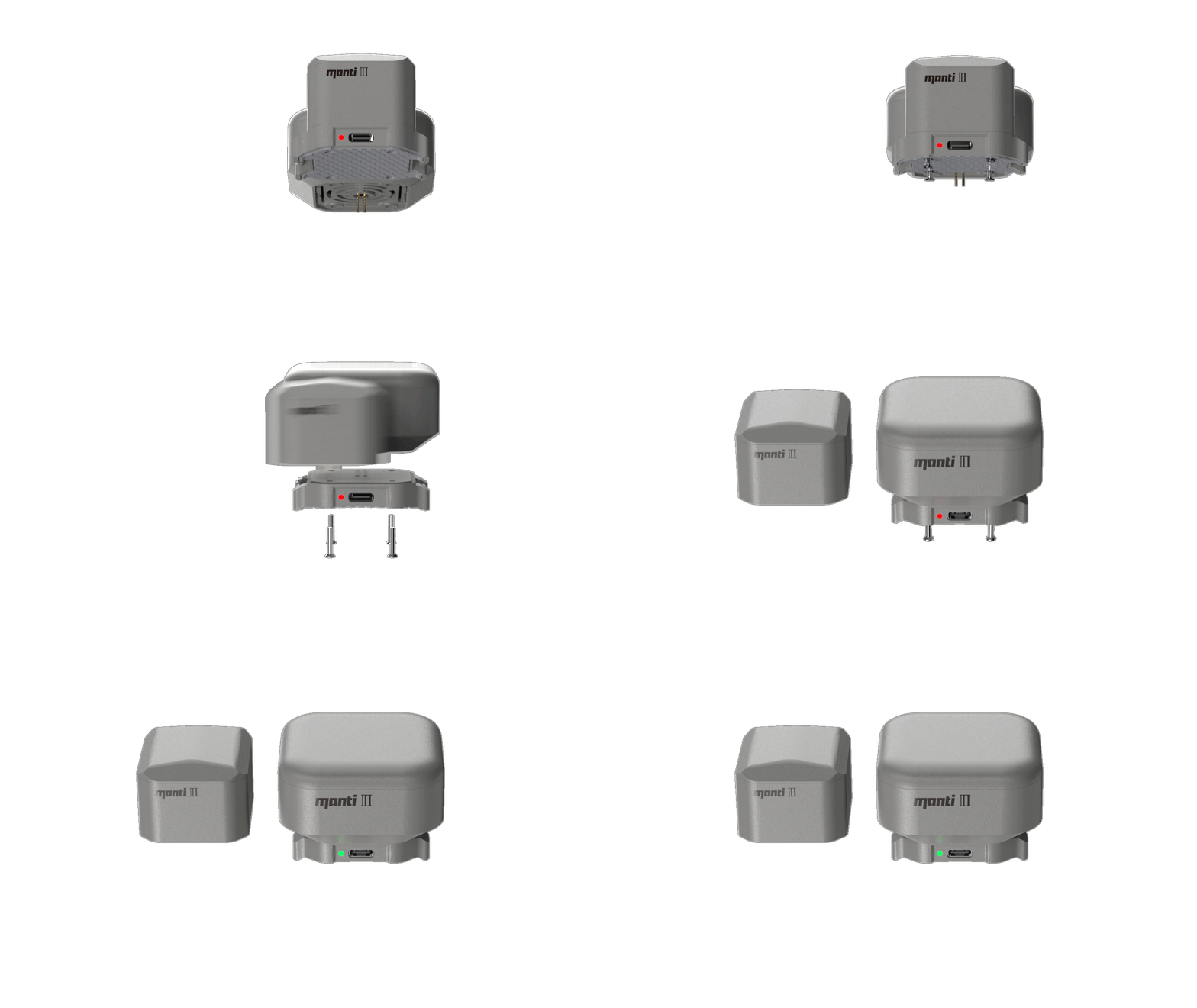
Engineered for commercial reliability, systems like the Flyfire OWL & Manti Series provide rapid-response deployment and reliable Flight Termination System (FTS) integration. By effectively mitigating kinetic impact and protecting both valuable equipment and ground personnel, Flyfire delivers the essential safety buffer operators need to fly compliant, confident, and secure.
5. Why Global Markets Are Watching the FC200
Even though the FC200 and T200 are currently limited to China, their architectural innovations—such as the 8-minute ultra-fast charging and dual-SIM 4G redundancy—are setting the global standard.
For international users, the takeaway is clear: the era of "lightweight" delivery is over. The industry is moving toward heavy-lift normalization, and with it, the demand for compliant UAV safety solutions will become the next global gold rush.
Ready to meet compliance standards? Explore Flyfire's ASTM-certified drone parachute systems — built for DJI Matrice, Mavic, and custom UAV platforms.
Contact Us on WhatsApp →