


Every time enterprise teams start discussing autonomous drone infrastructure, the conversation quickly moves to three core questions.
How accurate is the landing process? How stable is the aircraft during automated missions? How many dock sites can be managed simultaneously?
But for most DJI Dock 3 deployments, autonomous flight itself is no longer the difficult part.
The real challenge begins when a drone is flying a Beyond Visual Line of Sight (BVLOS) mission several miles away from the operator and something suddenly stops working the way it should.
That distinction matters. In a traditional visual-line-of-sight operation, a pilot can usually react immediately if telemetry becomes unstable or the aircraft starts behaving unexpectedly. With autonomous dock operations, the aircraft may be inspecting a roadside utility corridor or flying near a substation while the operator is sitting somewhere else entirely. During those moments, the operator has no direct visual reference and must rely entirely on remote telemetry and automated safety systems.
From an FAA perspective, that matters a lot.

FAA Compliance Looks Different in BVLOS Operations
A lot of operators still think FAA compliance is primarily about registration, remote ID, and airspace authorization.
But once you start flying autonomous BVLOS missions near roads, industrial sites, or populated infrastructure, the discussion changes quickly.
Under FAA Part 107.39, regulators focus heavily on reducing risk to people on the ground during operations over people. In practice, the FAA is not only evaluating whether the aircraft can complete the mission safely. They also want to understand what happens after the aircraft stops operating normally.
Can the drone maintain a controlled descent during an emergency?
Can impact energy be reduced before the aircraft reaches the ground?
Can the propulsion system be stopped fast enough to stabilize the recovery sequence?

Those questions become much more important once the pilot is no longer physically near the aircraft. That is one reason emergency descent systems are becoming increasingly important for enterprise drone deployments—not simply for compliance paperwork, but for actual operational safety.
The Problem Many Operators Underestimate
One issue that does not get discussed enough in DJI Dock deployments is propeller entanglement during parachute deployment.
A lot of parachute systems perform well during controlled demonstrations. Real deployments are different.
Imagine a drone loses propulsion during a BVLOS inspection mission over a roadside corridor or industrial facility. The parachute deploys, but the motors are still spinning during the recovery sequence. At that point, parachute lines can interfere with the propellers or arms, destabilizing the descent very quickly.
This is one of those operational problems many teams do not fully think about until they begin scaling autonomous missions across multiple sites.

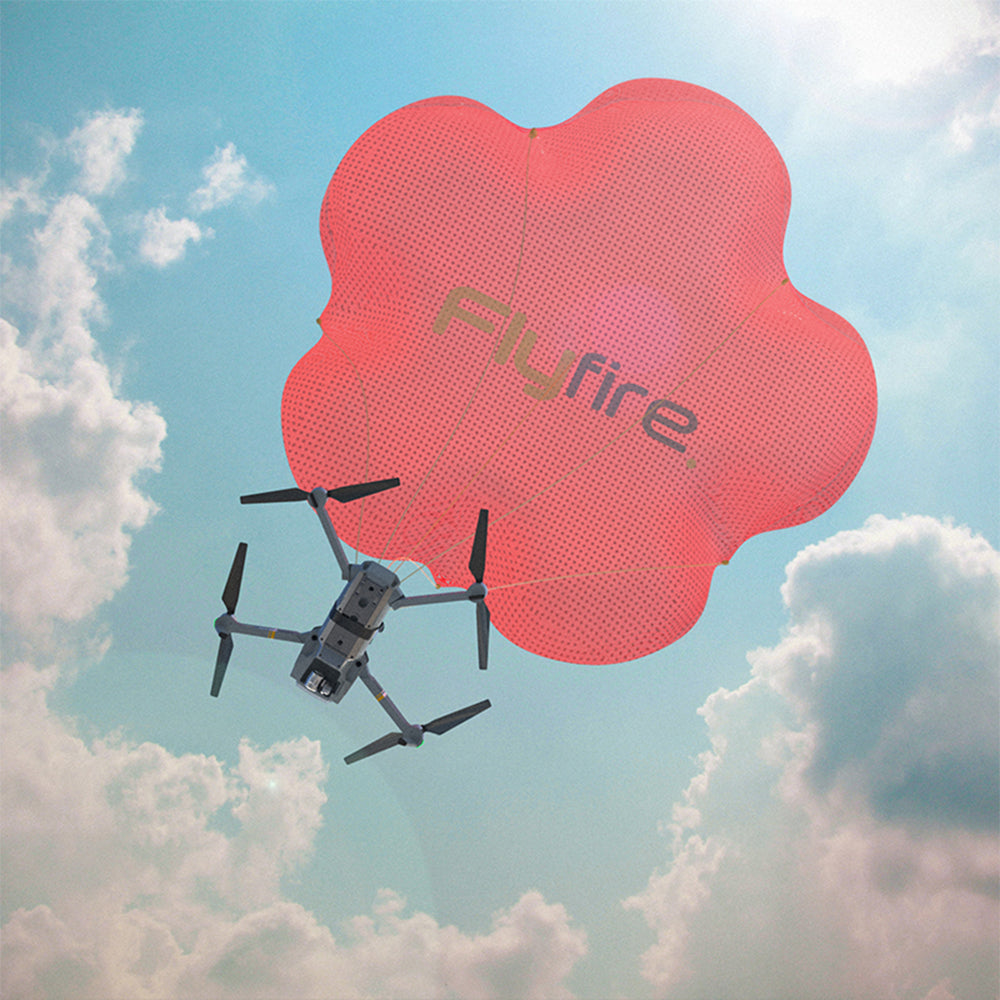
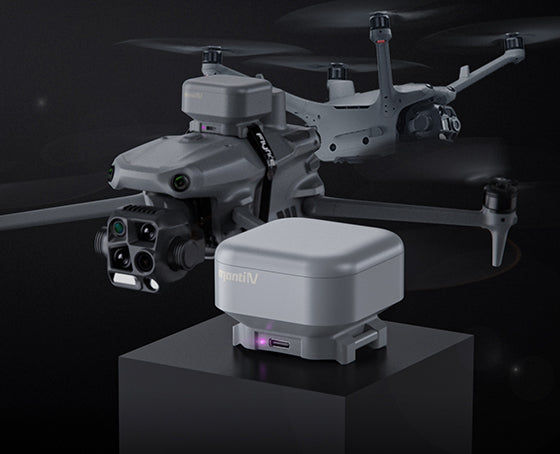
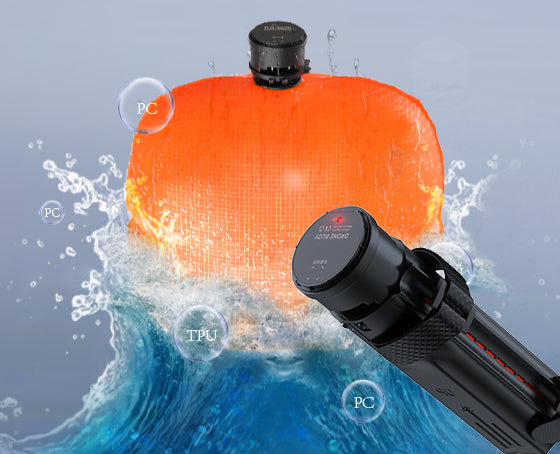
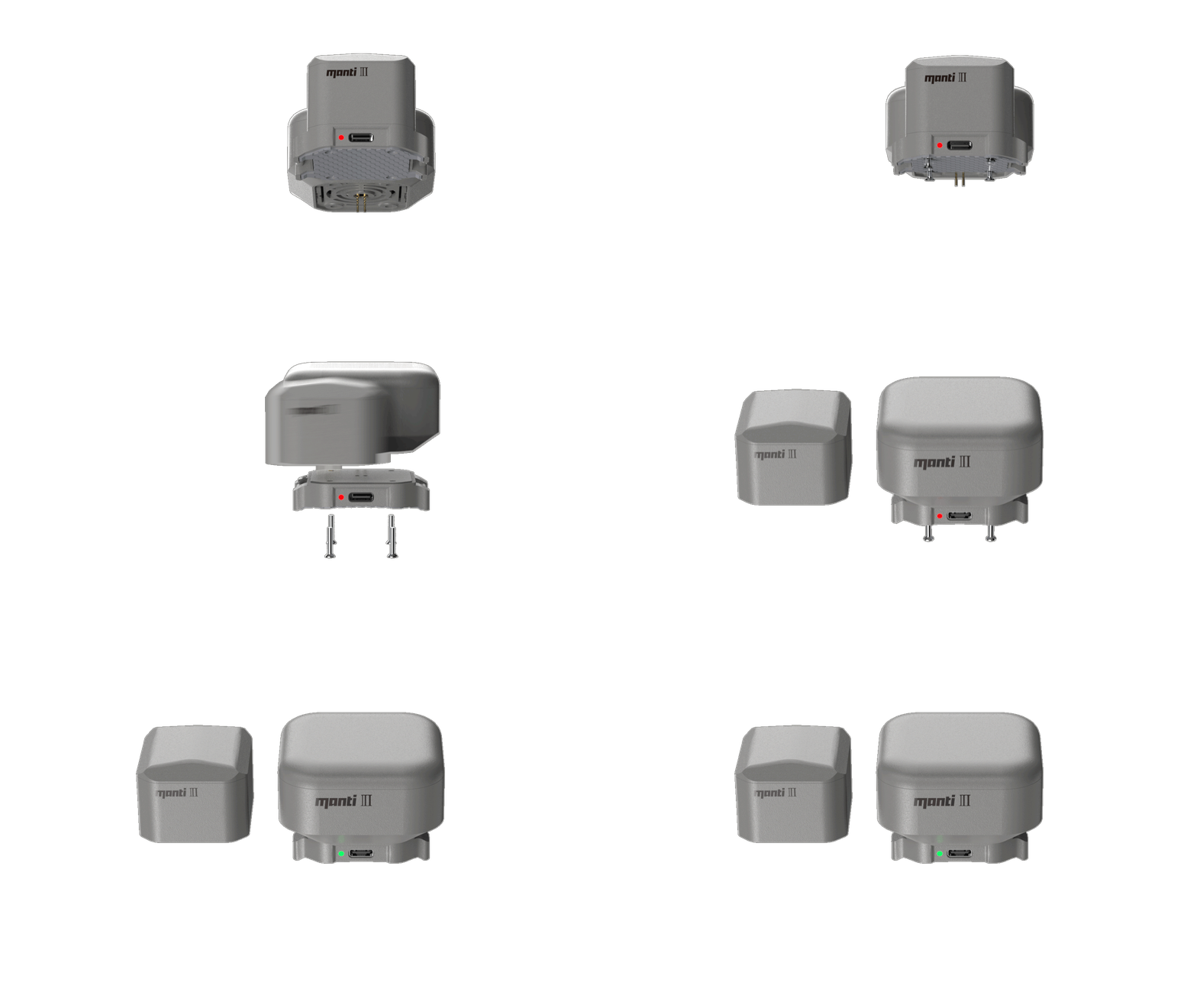
The FlyFire Manti 4 Dock Parachute + FTS system for DJI Dock 3 was designed specifically around this issue. Instead of treating the parachute as a standalone accessory, the system communicates directly with the DJI flight controller to shut down the motors before the canopy deploys. This sequence significantly reduces the chances of entanglement and improves descent stability during emergency recovery.
It may sound like a small engineering detail on paper, but when a drone is operating miles away without immediate human intervention, motor shutdown timing becomes extremely important.
Why Integrated Safety Workflows Matter
Another thing enterprise operators are realizing quickly is that autonomous dock operations require more than standalone safety hardware.
Managing one manually piloted aircraft is very different from managing multiple remote dock sites running automated schedules every day. Safety systems need to work inside the same operational workflow teams already rely on.
The Manti 4 Dock system integrates directly with DJI Pilot 2 and DJI FlightHub 2, allowing operators to monitor parachute status, warning systems, and emergency readiness from the same remote control environment.
For infrastructure inspections, industrial security deployments, and utility operations, this kind of centralized visibility becomes increasingly valuable as operations scale—especially during nighttime or low-visibility missions.
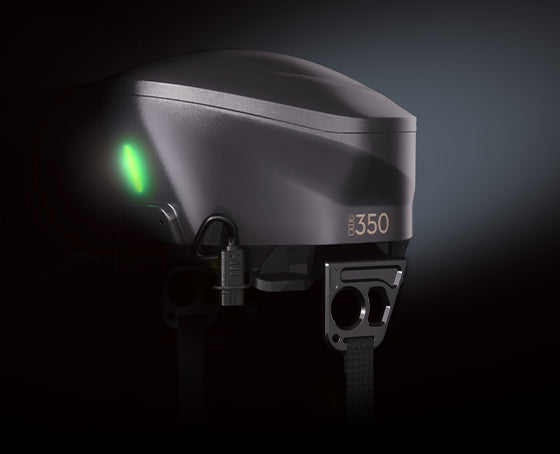
The Manti 4 Dock Warning Light Edition also integrates high-intensity red-and-blue strobe lights that can be controlled directly through FlightHub 2. During an emergency descent, those warning lights provide additional visual awareness for nearby personnel or vehicles in the surrounding area.
Real Deployments Rarely Behave Like Lab Testing
This is where many certification discussions start becoming incomplete.
A parachute system may perform consistently during controlled testing, but real deployments introduce a completely different set of variables. Roadside wind turbulence, industrial RF interference, changing weather conditions, and uneven emergency landing environments can all affect recovery behavior.
That does not make certification unimportant.
But it does explain why more enterprise operators are focusing less on marketing terminology alone and more on how emergency systems actually behave during field operations.

Because after a certain point, autonomous drone safety is no longer just about proving the aircraft can fly autonomously. It becomes about managing failures safely and consistently when the aircraft is operating far away from the pilot.
The Real Challenge in BVLOS Scaling
At this point, most enterprise drone platforms already know how to automate flight reasonably well.
The bigger challenge now is handling failures safely once normal flight conditions are gone.
That is why FAA discussions around DJI Dock 3 operations are increasingly centered around controlled descent systems, Flight Termination Systems (FTS), impact energy reduction, and remote operational safety.
As more companies scale autonomous BVLOS deployments, long-term operational reliability will depend less on automation itself and more on how safely operators can manage the situations where automation fails.
Frequently Asked Questions
Does DJI Dock 3 require a Flight Termination System (FTS) for FAA BVLOS operations?
The FAA does not mandate a specific FTS product by name. However, under Part 107 waiver applications for BVLOS operations, regulators expect operators to demonstrate how the aircraft will behave after normal flight conditions are lost—including controlled descent capability and ground impact energy reduction. An integrated FTS that addresses these requirements directly strengthens a waiver application.
What happens if a parachute deploys while drone motors are still running?
If motors remain active during parachute deployment, spinning propellers can catch the parachute lines and cause entanglement, destabilizing the descent rapidly. The FlyFire Manti 4 Dock system addresses this by communicating directly with the DJI flight controller to trigger automatic motor shutdown before the canopy opens—significantly improving recovery stability.
Is the FlyFire Manti 4 compatible with DJI Dock 3 automated missions?
Yes. The Manti 4 Dock system integrates directly with DJI Pilot 2 and DJI FlightHub 2, allowing operators to monitor parachute status and emergency readiness within the same remote operations environment used for automated dock missions—without adding a separate management layer.
What technical factors do FAA regulators evaluate when reviewing BVLOS waiver applications for operations over people?
Regulators typically focus on whether the operator can demonstrate meaningful risk reduction to people on the ground. Key technical factors include how the aircraft behaves during propulsion failure, whether impact energy can be reduced before ground contact, and whether the recovery sequence can be initiated without direct pilot intervention. Emergency descent systems that address these points directly are increasingly relevant to the waiver review process.
Why do real-world BVLOS deployments present different safety challenges than controlled testing environments?
Controlled testing removes most of the variables that affect real operations—roadside wind turbulence, industrial RF interference, changing weather, and uneven terrain. A system that performs reliably in a demonstration may behave differently when deployed across multiple remote sites under varying conditions. This is why enterprise operators are increasingly evaluating how emergency systems perform in field conditions, not just how they perform on paper.
Related Reading: If you are operating a DJI M400 in enterprise or infrastructure environments, protecting a high-value asset requires a dedicated strategy. See our full guide: Protecting Your $50,000+ Investment: The Ultimate DJI M400 Parachute & Asset Protection Strategy.